
As micro-robotics technology continues to advance, precision, compactness, and controllability have become the core requirements of the industry. Among the essential components, the micro stepper motor has emerged as a critical element in micro-robot design due to its high accuracy, controllable motion, and compact size. This article will explore the role of micro stepper motors in micro-robotics, their key applications, and future trends, providing valuable insights for engineers, designers, and robotics enthusiasts.
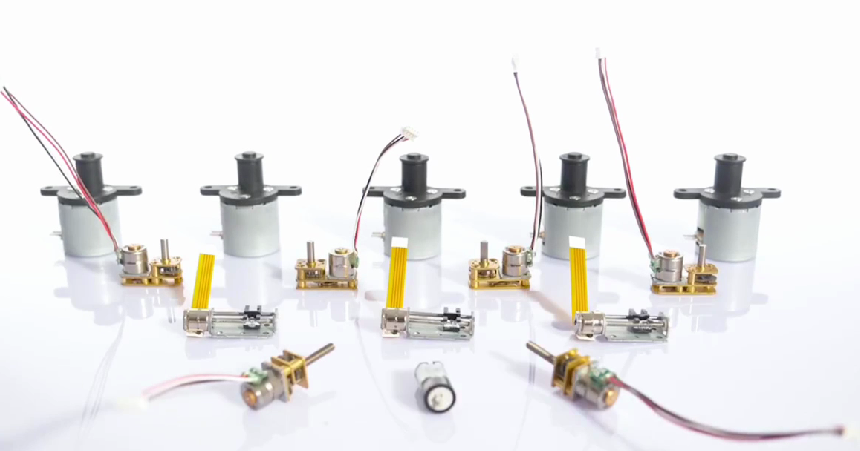
1. What is a Micro Stepper Motor?
A micro stepper motor is a type of electric motor that converts electrical pulses into precise angular displacement. Unlike traditional DC motors, a micro stepper motor moves in discrete steps. Each pulse sent to the motor results in a fixed rotation angle, allowing precise control over positioning without the need for complex feedback systems.
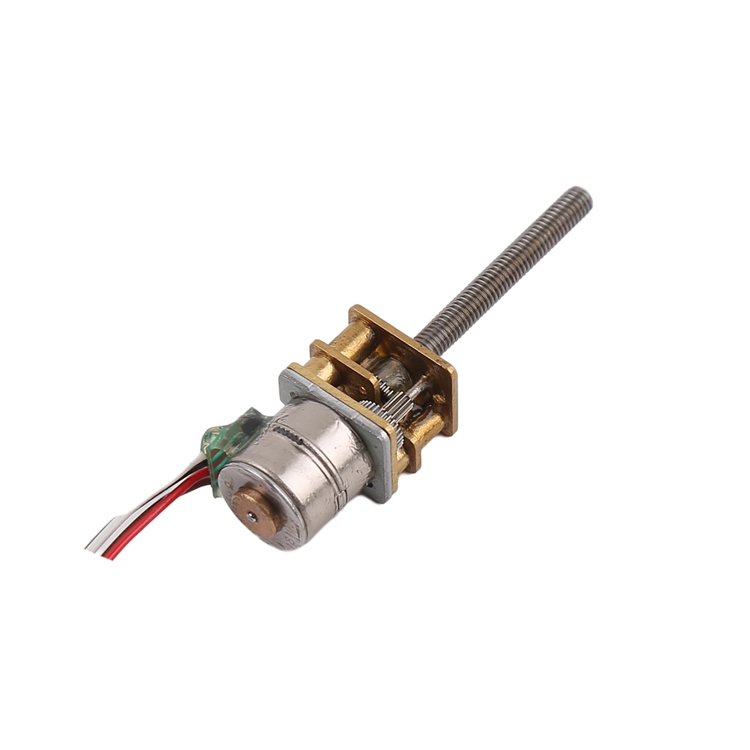
Key characteristics of micro stepper motors include:
- ● High-precision positioning: Micro stepper motors can achieve fine angular movements, especially when using micro-stepping techniques.
- ● Compact structure: Small in size and lightweight, making them ideal for space-constrained micro-robotics applications.
- ● Fast response: They can start and stop quickly, enabling robots to perform intricate motions.
- ● High controllability: Speed and position can be precisely controlled by adjusting pulse frequency and number.
Understanding these characteristics is essential for leveraging micro stepper motors in micro-robotics technology.
2. Key Roles of Micro Stepper Motors in Micro-Robotics
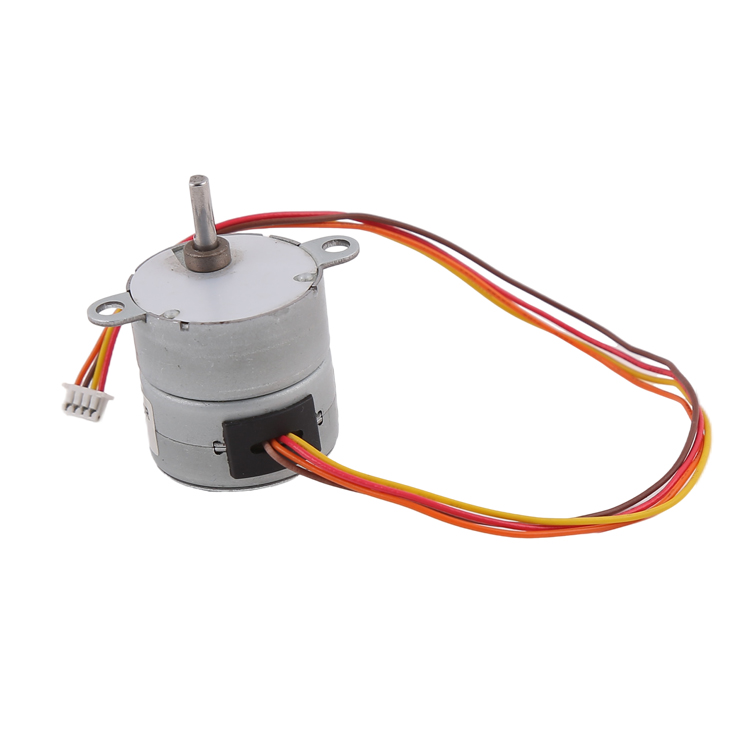
2.1 Precision Motion Control
Micro-robots often operate in constrained or delicate environments, such as surgical robotics, miniature manipulators, or laboratory automation devices. The micro stepper motor enables fine motion control with micro-stepping, allowing robots to perform extremely precise positioning and movement. This precision is crucial for tasks that require high repeatability, such as micro-assembly or targeted medical procedures.
2.2 Enabling Compact and Lightweight Design
The small size and low weight of micro stepper motors make them perfect for micro-robots where space is limited. For example, in quadruped micro-robots, small stepper motors can be integrated into each leg joint, enabling multiple degrees of freedom while keeping the robot lightweight and agile.
2.3 Ensuring Motion Stability and Repeatability
Micro stepper motors can maintain accurate positioning without feedback systems, ensuring high repeatability for micro-robots performing repetitive tasks. Applications such as precise component handling, micro-assembly, or laboratory automation benefit greatly from the motor’s reliable and consistent movement.
2.4 Simplifying Robot Control Systems
Compared to servo motors, micro stepper motors can achieve precise motion without encoders or complex closed-loop feedback systems. This simplifies the micro-robot control architecture, reducing design complexity and cost, and allowing developers to focus on mechanical design and control algorithms.
3. Applications of Micro Stepper Motors in Micro-Robotics
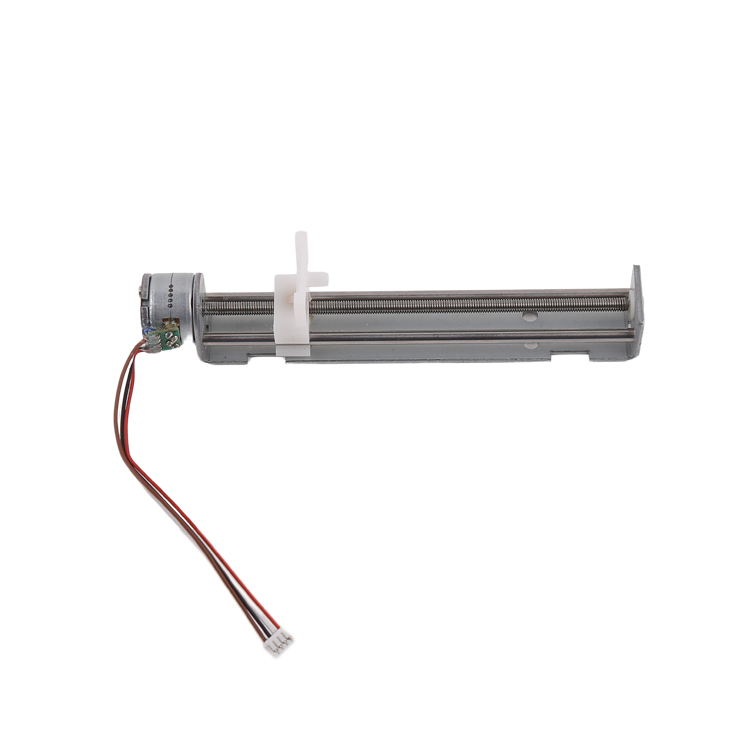
Micro stepper motors are used across various micro-robotics fields due to their precision and compactness:
- 1.Quadruped Micro-Robots
Each leg can be powered by micro stepper motors to achieve multiple degrees of freedom, enabling stable walking, turning, and even jumping movements. - 2.Micro Drone Gimbal Systems
Micro stepper motors can precisely adjust camera angles or sensor positions, enhancing imaging accuracy and aerial data collection. - 3.Medical Micro-Robots
In minimally invasive surgery, micro stepper motors control delicate surgical instruments, allowing precise micro-movements while reducing risks and improving surgical outcomes. - 4.Industrial Micro-Robotics
In micro-assembly lines, micro stepper motors enable fine positioning for tasks like component placement, micro soldering, or precise adhesive dispensing in electronics manufacturing. - 5.Research and Laboratory Automation
Micro stepper motors help achieve repeatable, precise motions in automated laboratory devices, such as pipetting robots or microfluidic systems.
4. Key Considerations When Selecting Micro Stepper Motors for Micro-Robots
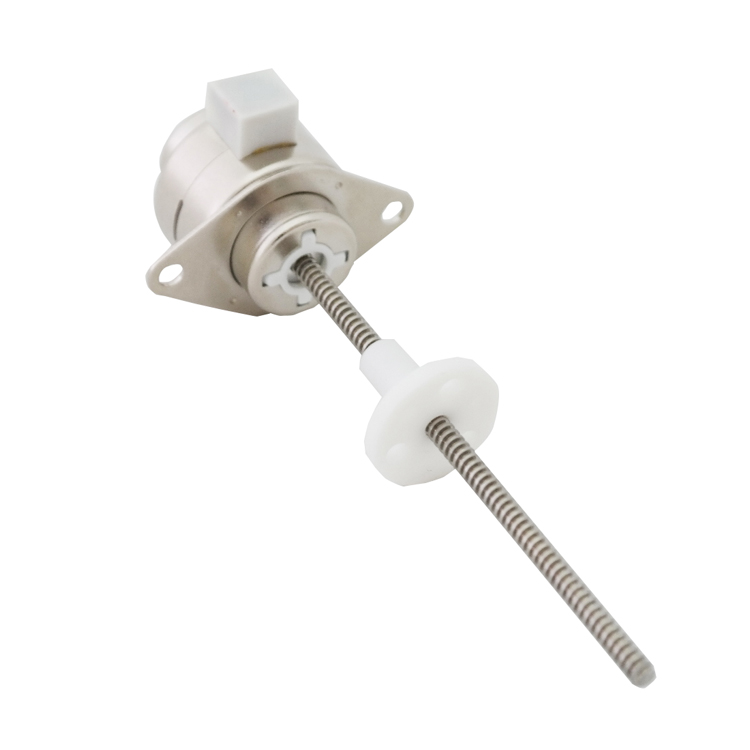
Choosing the right micro stepper motor is crucial for micro-robot performance. Designers should consider:
- ● Step angle: Smaller step angles allow finer motion control, especially when using micro-stepping.
- ● Torque: Motors must generate sufficient torque to handle payloads while maintaining stability.
- ● Size and weight: Micro-robots require compact, lightweight motors to avoid exceeding design constraints.
- ● Drive type: Bipolar and unipolar stepper motors require compatible drivers.
- ● Operating conditions: Temperature, vibration, and humidity may affect motor performance in specific environments.
Careful selection ensures micro-robots operate efficiently, accurately, and reliably.
5. Advantages of Micro Stepper Motors in Micro-Robotics
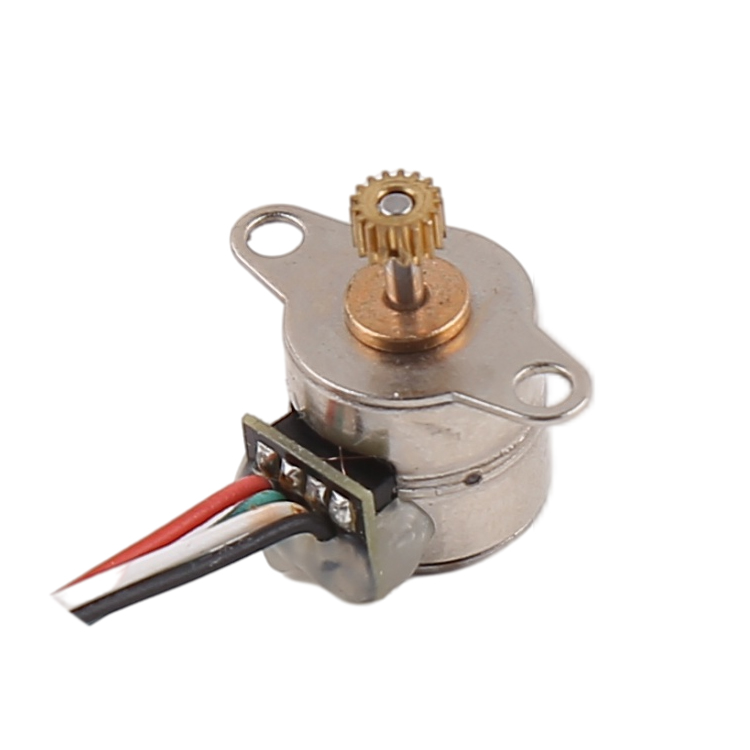
- ● Precision and repeatability: Achieve accurate and consistent movements without complex feedback systems.
- ● Compact and lightweight: Ideal for tight spaces in micro-robotic designs.
- ● Simple control: Easy integration with digital controllers and microcontrollers like Arduino or Raspberry Pi.
- ● Cost-effective: Lower cost than servo systems for many precision tasks.
- ● Versatility: Compatible with various applications, including medical, industrial, and consumer micro-robotics.
These advantages explain why micro stepper motors are the preferred choice for micro-robotics developers worldwide.
6. Future Trends in Micro Stepper Motors for Micro-Robotics
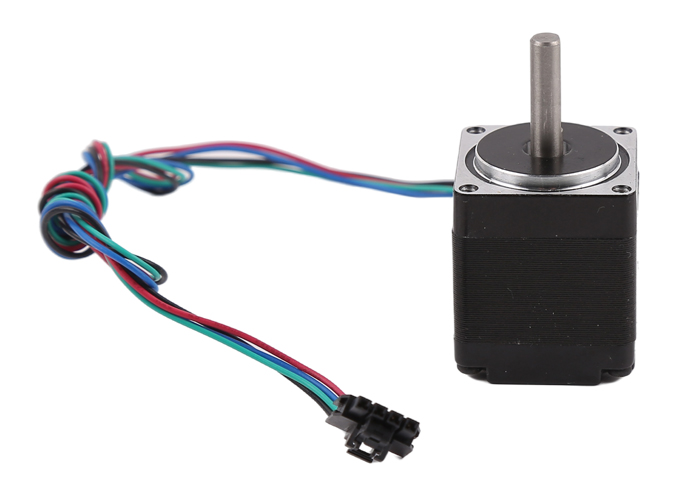
Micro stepper motors are evolving alongside micro-robotics technology. Key trends include:
6.1 Higher Precision and Micro-Stepping
Advancements in micro-stepping drive technology allow ultra-fine positioning, enabling micro-robots to perform increasingly delicate operations.
6.2 Integrated Design
Future micro stepper motors may combine the motor and driver in a single compact unit, further reducing size and power consumption while simplifying control wiring.
6.3 Noise Reduction and Energy Efficiency
Optimized magnetic materials and motor design reduce vibration and noise while improving efficiency, making micro stepper motors suitable for medical and laboratory environments.
6.4 Intelligent Motion Control
Integration with AI and IoT allows adaptive motion control, real-time monitoring, and predictive maintenance, enhancing micro-robot performance and autonomy.
7. Conclusion
The micro stepper motor plays a pivotal role in micro-robotics technology. Its precision, compactness, and controllability enable micro-robots to perform complex and delicate tasks with high repeatability and reliability. By simplifying control system design and providing consistent motion, micro stepper motors have become the backbone of micro-robotic innovation in fields ranging from medical robotics and industrial automation to laboratory research and consumer robotics.
As micro stepper motors continue to evolve in precision, efficiency, and intelligence, the capabilities of micro-robots will expand, paving the way for more advanced, compact, and autonomous robotic systems. For developers and engineers in the micro-robotics field, understanding and leveraging micro stepper motors is a critical step toward achieving high-performance, next-generation robots.
Post time: Mar-27-2026