
With the rapid development of minimally invasive diagnosis and treatment technology, endoscopy has become an indispensable diagnostic and treatment tool in modern medicine. In the process of traditional endoscopes evolving towards intelligence, precision, and robotics, micro stepper motors are gradually becoming the key actuator for precision motion control of endoscopes due to their core advantages such as high-precision positioning, low-speed smooth operation, and compact shape. This article will delve into the typical application scenarios, technical advantages, and selection points of micro stepper motors in endoscopes.
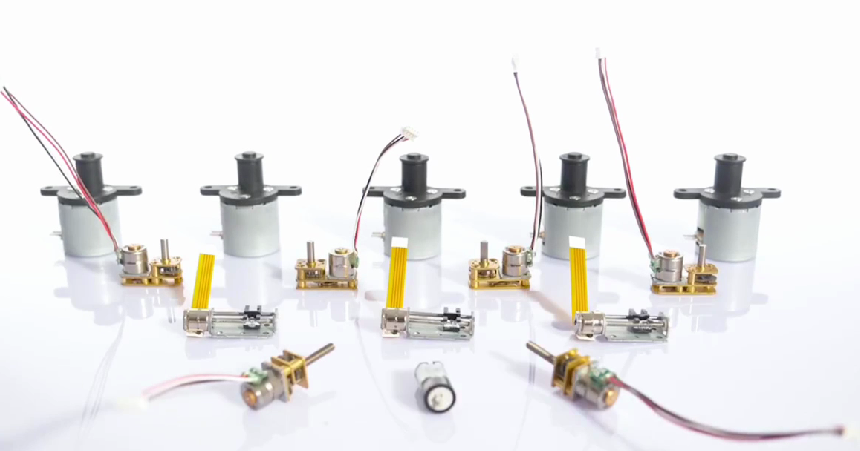
What is a miniature stepper motor
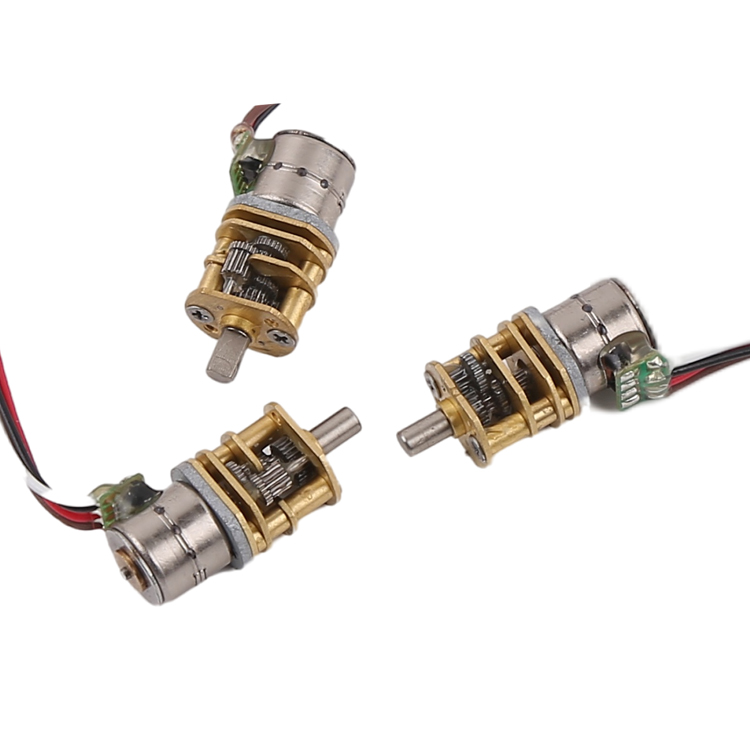
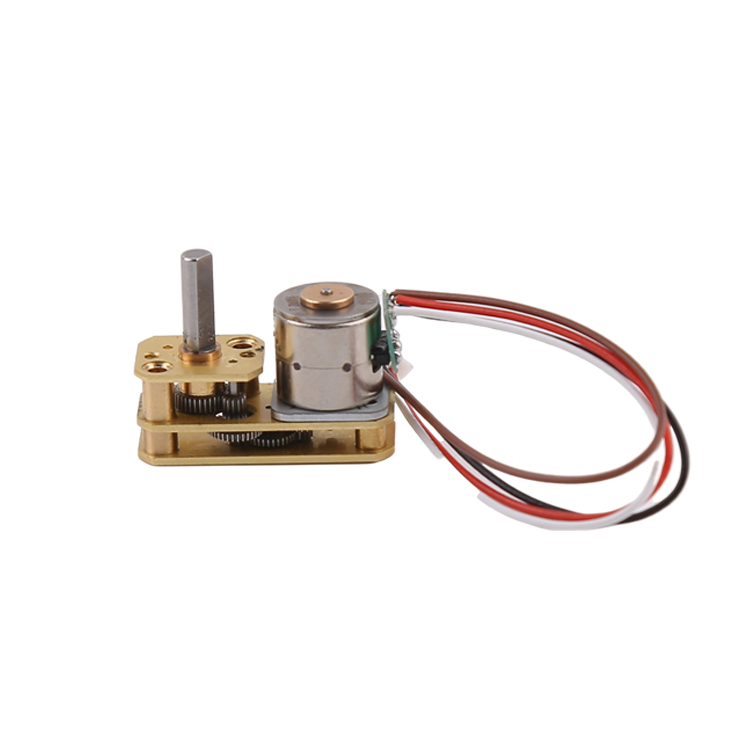
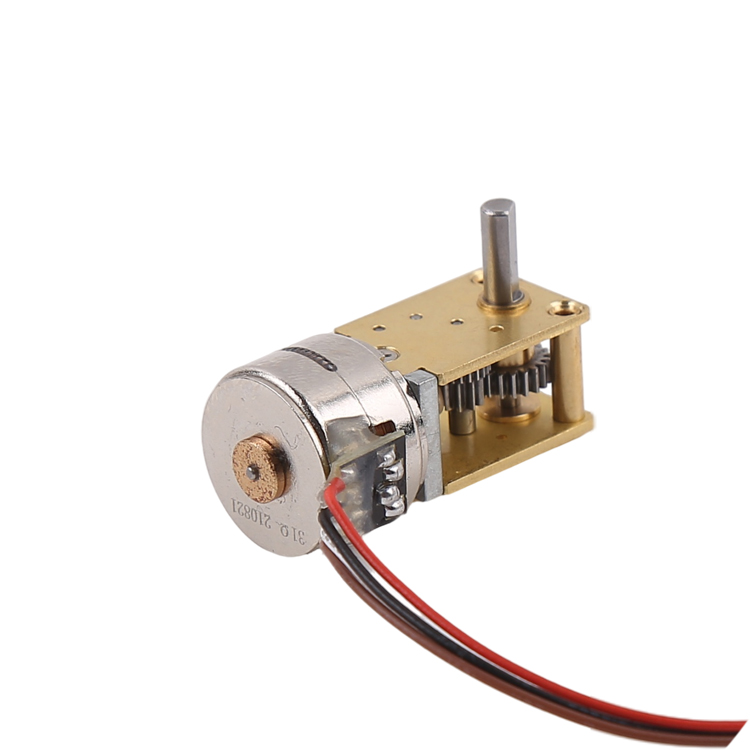
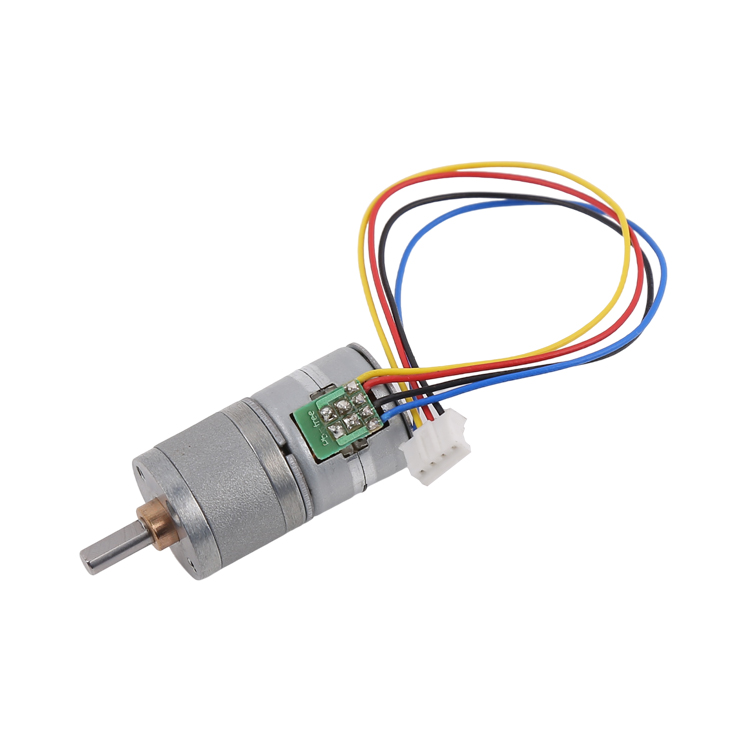
A micro stepper motor is a type of micro actuator that accurately converts electrical pulse signals into angular or linear displacements. Its working principle is to generate a stepping magnetic field through electromagnetic induction, control angular displacement using pulse signals, and achieve precise positioning in an open-loop state. Micro stepping technology can subdivide the step angle to 0.05625 °, with a step angle accuracy of ± 0.05 °. In terms of driving, it supports up to 256 subdivision driver matching, which can achieve smooth positioning without vibration. Micro stepper motors mainly include two-phase hybrid, five phase, and linear types, with some products having diameters as small as 6mm or even 7mm. Despite their extremely small size, they can achieve stable micro stepper control, making them particularly suitable for endoscopic systems in medical equipment that are highly sensitive to spatial dimensions.
Core application scenarios of micro stepper motors in endoscopes
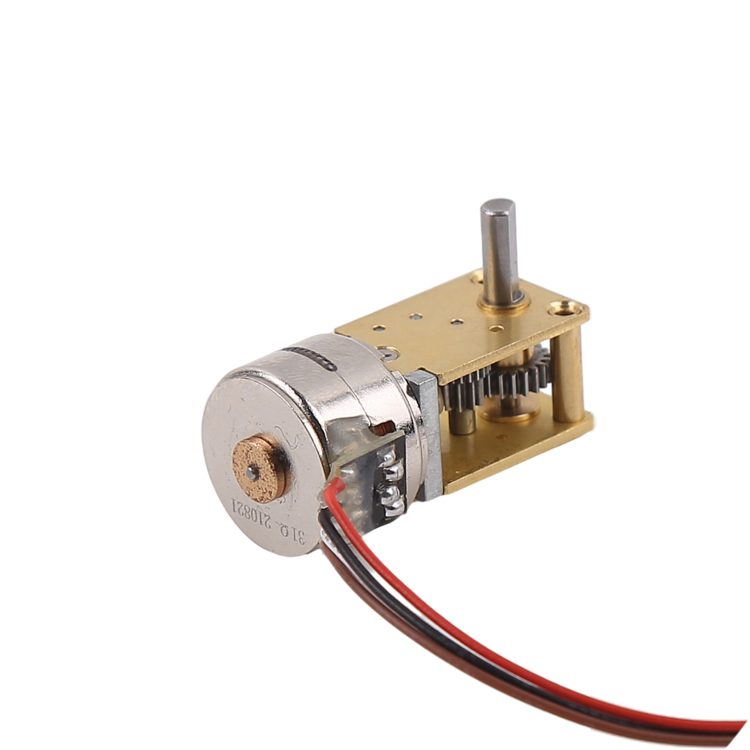
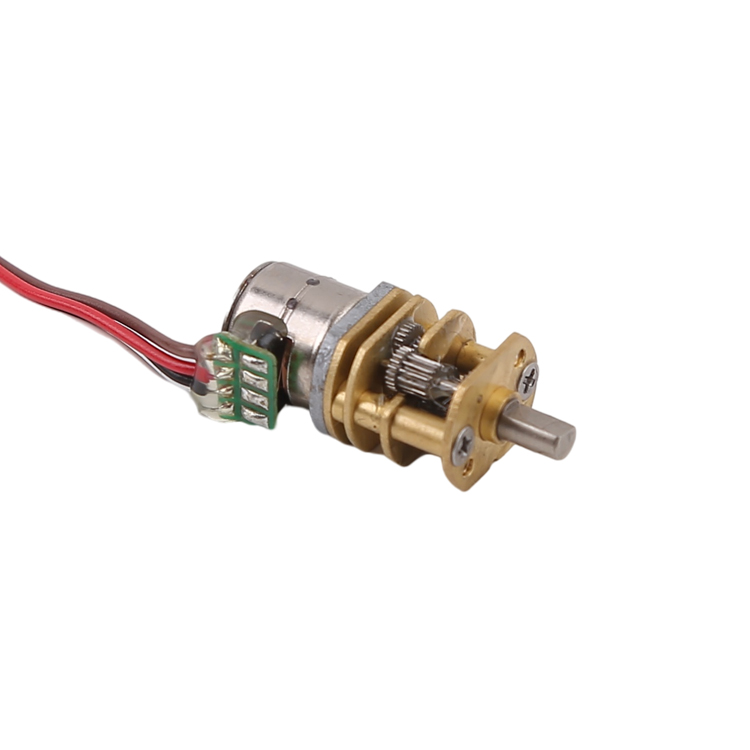
1. Front end laser scanning and optical imaging of endoscope
Fiber guided laser scanners are widely used in minimally invasive endoscopic surgery for precise procedures such as incision, ablation, and photocoagulation. The latest research shows that a compact dual degree of freedom laser scanner driven by a micro stepper motor can achieve high-precision trajectory tracking in a limited cavity space, with an average tracking error as low as 279.29 microns, fully meeting the practical needs of minimally invasive endoscopic surgery in clinical practice. The unique step-by-step motion characteristics of stepper motors enable precise angular displacement control without the need for external position feedback, which is also of key value in side view micro endoscopes such as optical coherence tomography (OCT) and Raman spectroscopy. For example, micro stepper motors based on ferromagnetic fluid bearings have been successfully applied in side view Raman microscopy endoscopes, achieving a rotation rate that is more than four times higher than traditional solutions. In addition, the micro stepper motor can also drive the optical focusing module at the front end of the endoscope to achieve automatic focusing, ensuring that the image clarity is always maintained when exploring curved cavities such as the digestive tract and respiratory tract.
2. Endoscope pipeline transmission and mechanical drive
The operation of traditional endoscopes mainly relies on manual pushing of pipelines, which not only requires high physician experience, but also increases operational fatigue and medical risks. In the new endoscopic positioning device for gastrointestinal lesions, a micro stepper motor drives the active and passive wheels to achieve mechanical automatic transmission of endoscopic tubes. Compared with traditional manual operation, mechanical transmission has higher accuracy and stability. Furthermore, stepper motors can also be used for automatic driving of endoscopic control handles, performing front-end obstacle avoidance operations through mechanical claws, thereby improving the automation level of endoscopic operations and reducing the probability of medical accidents. This active obstacle avoidance driving method provides a reliable underlying execution foundation for robot assisted endoscopic surgery.
3. Water jet direction control of rotary endoscope
In application scenarios such as gastrointestinal exploration, water jets can be used to remove blood and mucus from the lesion area, providing a clear field of view for imaging. A new type of low-cost rotary valve endoscope driven by a stepper motor is used. The stepper motor is connected to the rotary valve core through a flexible cable to accurately control the direction of water jet injection, enabling it to cover the observation needs of most areas such as the greater curvature of the stomach. This design significantly simplifies the structure of the endoscope and reduces manufacturing costs, providing a feasible portable solution for early screening of gastric cancer in low-income areas.
4. Robot endoscope and surgical assistance system
In minimally invasive surgical robot systems, micro stepper motors are widely used for joint driving of robotic arms and positioning control of end effectors. Their precise position control and high-speed response capabilities can ensure the flexibility and operational accuracy of the robot. The development of compact and portable robot systems for minimally invasive medical robot imaging and visualization systems is receiving increasing attention, and micro stepper motors are the core components for achieving precise motion in such systems. For robot assisted endoscopic microsurgery, stepper motors can be combined with electromagnetic drive systems to form a hybrid drive architecture, achieving high-precision laser navigation and autonomous target tracking in extremely small radial dimensions.
Significant advantages of micro stepper motors compared to other driving schemes
In precision medical equipment such as endoscopes, micro stepper motors have irreplaceable unique advantages compared to DC brushed motors and piezoelectric drivers:
Precise open-loop positioning: The stepper motor moves in incremental steps, and in many cases, precise positioning control can be achieved without external feedback, avoiding the increase in volume and cost caused by encoders.
Low speed smooth operation: Through subdivision driving technology, each step can be subdivided into up to 256 micro steps, significantly reducing shaking and noise during low-speed operation, which is particularly important for imaging devices such as endoscopes that are highly sensitive to vibration.
Compact appearance and integration capability: There are already micro stepper motor products on the market with a diameter of only 6mm, which can be easily embedded in narrow spaces at the front end of endoscopes. The new closed-loop stepper drive control integrated screw motor integrates the stepper motor, driver, encoder, and ball screw into one, achieving a positioning accuracy of ± 0.01mm with a 20mm machine base, saving about 60% of installation space.
High holding torque: It can maintain position locking even in a power-off state, ensuring stable pointing of the endoscope lens during exploration.
High reliability and long lifespan: The brushless wear design has significant advantages in medical environments that require repeated disinfection and sterilization.
Key points for selecting micro stepper motors for endoscopes
When developing endoscopic products, the selection of micro stepper motors should take into account the following core parameters:
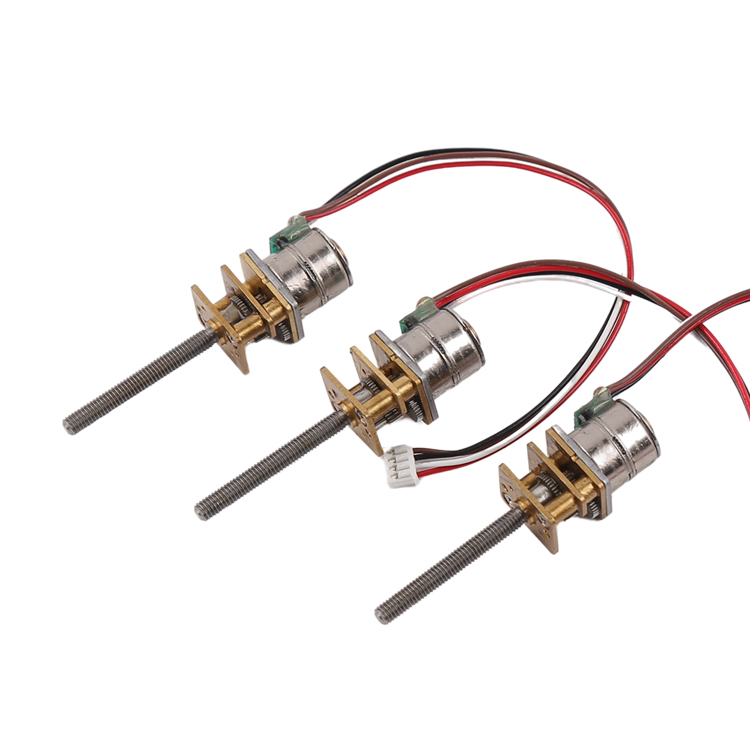
Dimensions: The space at the front end of the endoscope is extremely limited, and a micro or ultra micro stepper motor with a diameter of ≤ 10mm should be selected. Nidec MSDU series and other ultra small PM stepper motors are an ideal choice for miniaturization while maintaining stable motion accuracy through high-precision component manufacturing processes.
Step angle and accuracy: It is required that the step angle accuracy reach ± 0.05 ° or even higher. It is recommended to use a step angle of 1.8 ° or 0.9 ° combined with high subdivision drive to achieve smooth and vibration free low-speed positioning.
Torque characteristics: Endoscope driven water valves, pipelines, or laser scanners belong to light load scenarios, and maintaining torque generally requires a range of 0.01-0.05N · m, while also paying attention to the smoothness of low-speed torque.
Environmental adaptability: Medical endoscopes must withstand high temperature steam, ethylene oxide, or gamma ray sterilization, and the motor material must have corresponding sterilization resistance. At the same time, the motor should meet the safety standards and electromagnetic compatibility requirements of IEC 60601 medical electrical equipment.
Low noise and low vibration: Imaging endoscopes are extremely sensitive to mechanical noise and vibration, and motor drivers that support silent driving technology should be preferred.
Driver integration: The adoption of a drive control integrated design can significantly simplify system integration, reduce wiring and external components, and improve the reliability of endoscopic systems.
Future Development Trends
With the development of endoscopes towards higher precision, smaller size, and stronger intelligence, micro stepper motor technology is also continuously evolving:
Closed loop integration: The encoder and stepper motor are highly integrated to achieve full closed-loop control, fundamentally eliminating the risk of step loss and meeting the requirements of surgical robots with micrometer level accuracy.
Ultra miniaturization: Stepper motors with a diameter of 6mm or less will be increasingly used in cutting-edge fields such as capsule endoscopy and natural endoscopic surgery (NOTES).
AI Fusion: AI driven imaging systems are being integrated into endoscopic surgery, and the precise position control of stepper motors will be deeply integrated with real-time image analysis to achieve autonomous lesion tracking and intelligent navigation.
Low cost disposable: In order to reduce the risk of cross infection, some endoscopes are shifting towards disposable designs, which require micro stepper motors to significantly reduce costs while maintaining performance, and meet disposable usage scenarios at an acceptable price.
Conclusion
Although micro stepper motors are small in size, they play an irreplaceable and critical role in modern endoscopic systems – from laser scanning, optical focusing, pipeline transmission to robot assisted surgery. Micro stepper motors have laid a solid foundation for the precision, automation, and intelligence of endoscopes in motion control. With the continuous expansion of the global minimally invasive medical market, the demand for micro stepper motors for endoscopes will steadily increase, providing a continuous source of power for medical equipment innovation.
For engineers engaged in the research and development of endoscopes or minimally invasive surgical instruments, a deep understanding of the selection methods and integration points of micro stepper motors will help design higher precision, smaller volume, and more reliable endoscopic products, and seize the opportunity in medical technology innovation.
Post time: Apr-21-2026