
With the rapid development of smart homes, robotic vacuum cleaners have become a standard equipment for modern household cleaning. Among the numerous core components of floor sweepers, micro stepper motors are playing an increasingly crucial role due to their advantages of precise control, low noise, and long lifespan. This article will delve into the specific application scenarios, technical advantages, and selection points of micro stepper motors in floor sweepers.
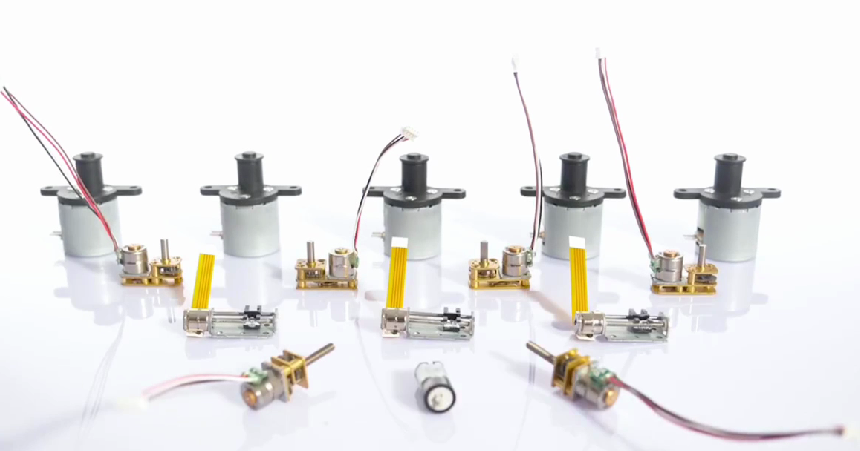
What is a miniature stepper motor
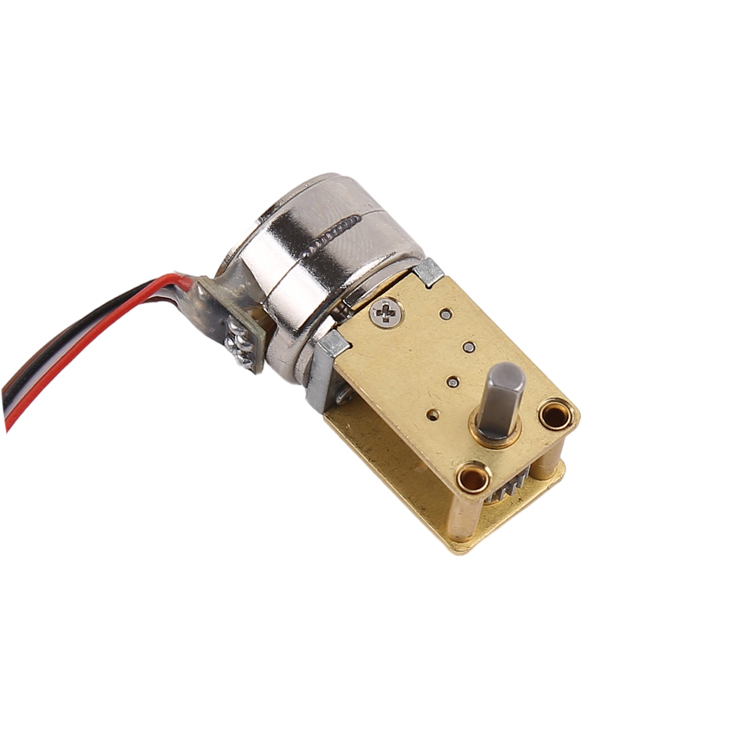
A micro stepper motor is an actuator that converts electrical pulse signals into angular or linear displacement. Unlike ordinary DC motors, it rotates the rotor by a fixed angle (called step angle) every time it receives a pulse signal. This “open-loop control” feature allows micro stepper motors to achieve precise positioning without the need for encoders, making them particularly suitable for smart devices such as floor cleaners that are sensitive to volume and cost.
The four core applications of micro stepper motors in floor sweepers
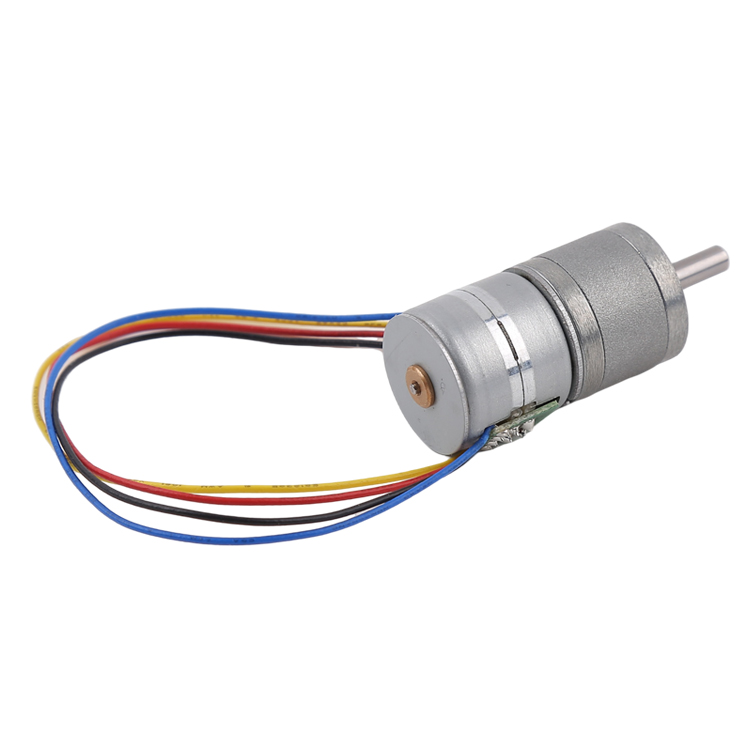
1. The driving core of the Laser Radar (LDS) navigation system
At present, the mainstream mid to high end sweeping machines all use laser radar navigation technology. LDS modules require high-speed rotation (usually 300-600rpm) to scan the surrounding environment, while also having extremely high requirements for speed stability. Micro stepper motors are an ideal choice for LDS drivers due to their following characteristics:
Accurate speed control: By adjusting the pulse frequency, the speed can be precisely controlled to ensure the uniformity of point cloud data acquisition
Low vibration characteristics: Compared to brushed motors, stepper motors run more smoothly, reducing interference with laser ranging modules
Long lifespan: Designed without electric brush wear, the overall lifespan of the machine can reach thousands of hours
In practical applications, LDS modules often use permanent magnet micro stepper motors with a diameter of 25mm, combined with closed-loop driving algorithms, to maintain low noise levels (usually below 40dB) during high-speed rotation.
2. The lifting and speed adjustment of the side brush of the sweeping machine
The bottom edge brush of the sweeping machine is responsible for sweeping the garbage in the corners of the walls and furniture edges into the main brush range. Traditional designs use ordinary DC motors to drive the rotation of the edge brush, but cannot control the height of the edge brush. After introducing micro stepper motors, it is possible to achieve:
Adaptive lifting: When the sweeping machine detects carpets or thresholds, the stepper motor precisely controls the edge brush to lift by 5-8mm, avoiding entanglement
Multi speed adjustment: automatically switches between 200-400rpm speed gears for different floor materials such as wooden flooring, tiles, carpets, etc
Resistance reversal protection: By detecting the out of step state of the stepper motor, intelligent reversal is achieved when the edge brush encounters resistance
This application usually uses a small stepper motor, combined with a screw mechanism to achieve linear motion.
3. Precise control of fan damper
The suction force of a sweeping machine depends not only on the fan speed, but also closely related to the opening and closing status of the air duct. Some high-end models use micro stepper motors to control the air door baffle:
Stepless adjustable suction: from weak suction in silent mode to strong suction in powerful mode, linearly adjustable
Dust box sealing: When shutting down, the stepper motor drives the baffle to completely close the air duct, preventing dust from flowing back
Energy saving optimization: Accurately control the opening of the air door to reduce fan load when high suction is not required
In this application scenario, the ability of micro stepper motors to maintain torque is particularly important, as they can maintain the position of the baffle even in the event of a power outage.
4. Tow lifting and vibration module
In recent years, micro stepper motors have also played an important role in popular scanning and mopping all-in-one machines
Mop lifting mechanism: When the carpet is recognized, the stepper motor drives the mop bracket to rise 10-12mm to avoid wetting the carpet
Imitation hand wiping vibration: By quickly switching between forward and reverse rotation of the stepper motor, the mop can achieve horizontal reciprocating vibration, improving the cleaning effect of stubborn stains
Downpressure adjustment: Accurately control the pressure of the mop on the ground according to different ground materials (usually within the range of 5-15N)
The advantages of micro stepper motors compared to other motors
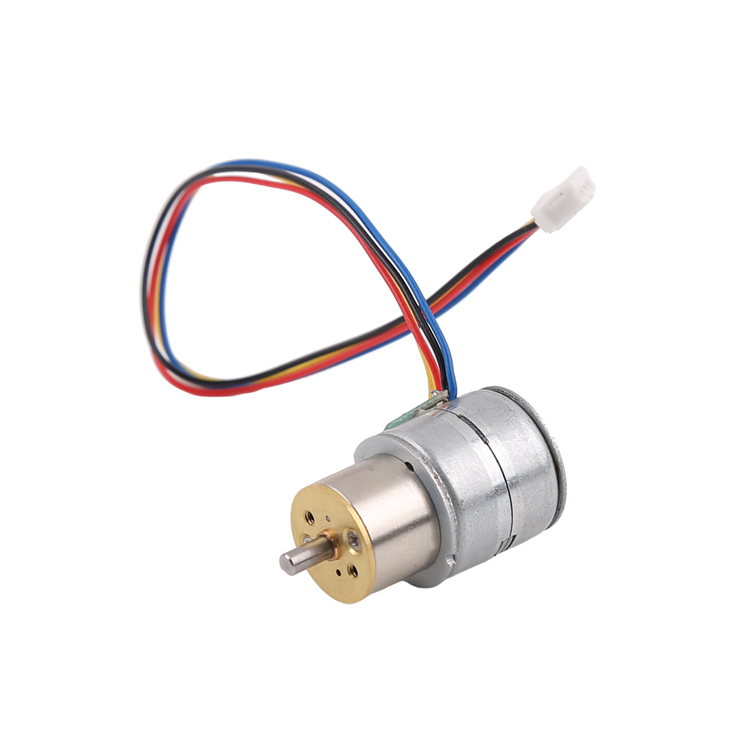
Comparison project: Micro stepper motor, DC brushed motor, DC brushless motor
High positioning accuracy (open-loop) requires an encoder
Controlling complexity is simple, straightforward, and complex
Excellent low-speed torque, generally poor
Low, medium, high, and low noise levels
Medium low high cost
Long, short, long lifespan
| Comparison project: | Micro stepper motor | DC brushed motor | DC brushless motor |
| positioning accuracy | High (open-loop)
|
Encoder required
|
Encoder required
|
| Control complexity | simple
|
simple
|
complex |
| Low speed torque | excellent
|
general | poor
|
| noise level | low | upper middle
|
low |
| cost | moderate | low | tall |
| lifespan | long | short | long |
For floor sweepers, micro stepper motors provide precise position control without the need for closed-loop feedback, which has an irreplaceable advantage in LDS navigation and lifting mechanisms.
Key points for selecting micro stepper motors for floor sweepers
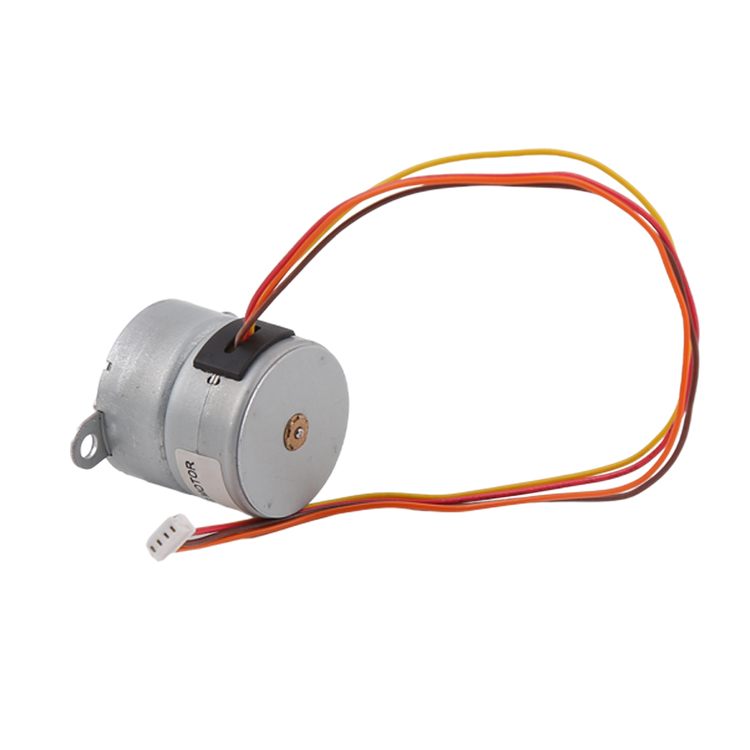
When developing sweeping machine products, the selection of micro stepper motors should pay attention to the following parameters:
External dimensions: commonly 20mm, 25mm, 28mm square, need to match the internal space of the product
Maintain torque: LDS applications require 0.1N · m or more, and lifting mechanisms require 0.2-0.3N · m
Rated current: usually 0.5-1.0A, taking into account the driving chip capability
Step angle: 1.8 ° is suitable for LDS, 0.9 ° is suitable for lifting mechanisms that require more precise control
Working temperature: The internal temperature of the sweeping machine can reach 60 ℃, and a motor with a temperature resistance rating of ≥ 100 ℃ needs to be selected
frequently asked questions
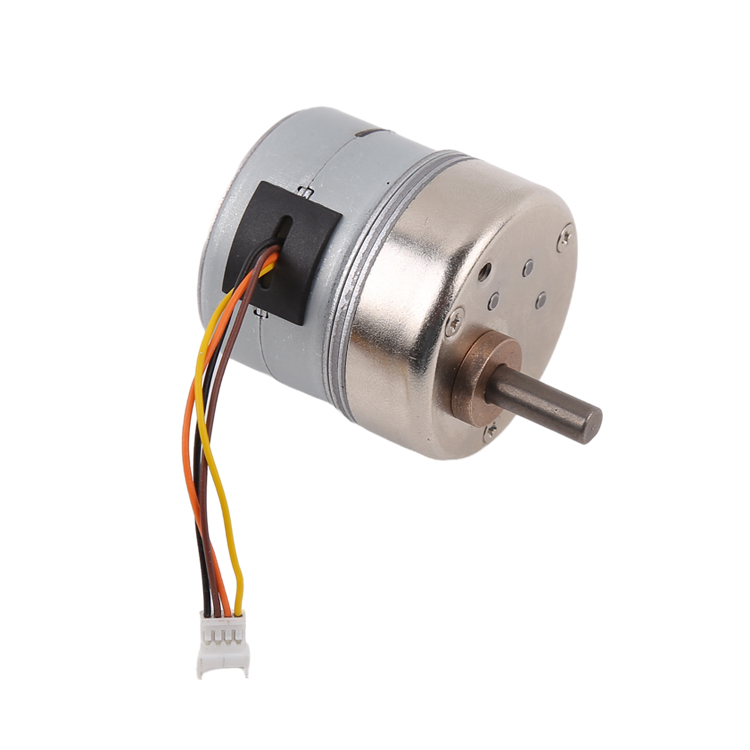
Q: Is it easy for micro stepper motors to lose step in floor sweepers?
A: As long as the load torque does not exceed 70% of the holding torque and an appropriate acceleration and deceleration curve is set, step loss is extremely rare. High end models will use closed-loop stepper drive to monitor rotor position in real-time.
Q: Does the micro stepper motor consume electricity?
A: Compared to fans and main brush motors, stepper motors have very low power consumption (usually 1-3W). However, it should be noted that the stepper motor still consumes current while maintaining position, and the design should avoid keeping the load state for a long time.
Q: How to reduce the noise of stepper motors?
A: Adopting segmented driving technology, optimizing acceleration and deceleration curves, and adding shock-absorbing rubber pads to the motor housing can effectively reduce operating noise.
Future Development Trends
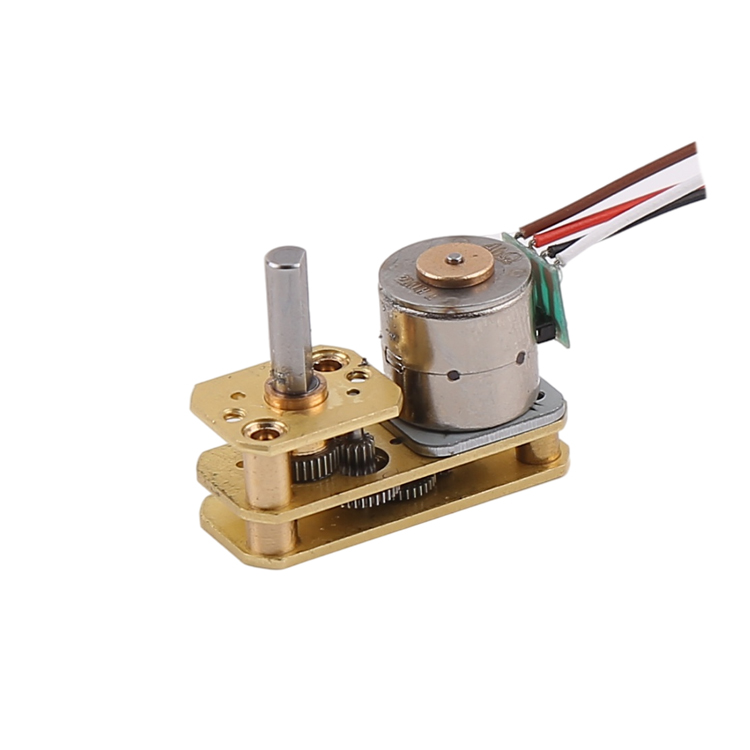
With the development of vacuum cleaners towards smarter, quieter, and thinner directions, micro stepper motor technology is also constantly evolving:
Integrated driver: Integrate the driver chip with the motor in a single package to reduce the PCB footprint
Silent technology: adopting a new magnetic circuit design and flexible gear materials to further reduce operating noise
Ultra thin motor: height can be compressed to within 12mm, suitable for ultra-thin sweeping machine design
Conclusion
Although small, the micro stepper motor is a key component for achieving precise navigation, intelligent obstacle avoidance, and adaptive cleaning in floor sweepers. For vacuum cleaner R&D engineers, a deep understanding of the working characteristics and selection methods of micro stepper motors can help design products with better performance and higher reliability. With the popularization of home service robots, the application scenarios of micro stepper motors will further expand, becoming an indispensable motion control foundation for intelligent mobile platforms.
If you are developing a sweeping machine product, please feel free to consult a professional stepper motor supplier for customized solutions tailored to specific working conditions.
Post time: Apr-20-2026