
Does the micro motor need to be treated for its high temperature but still able to operate?
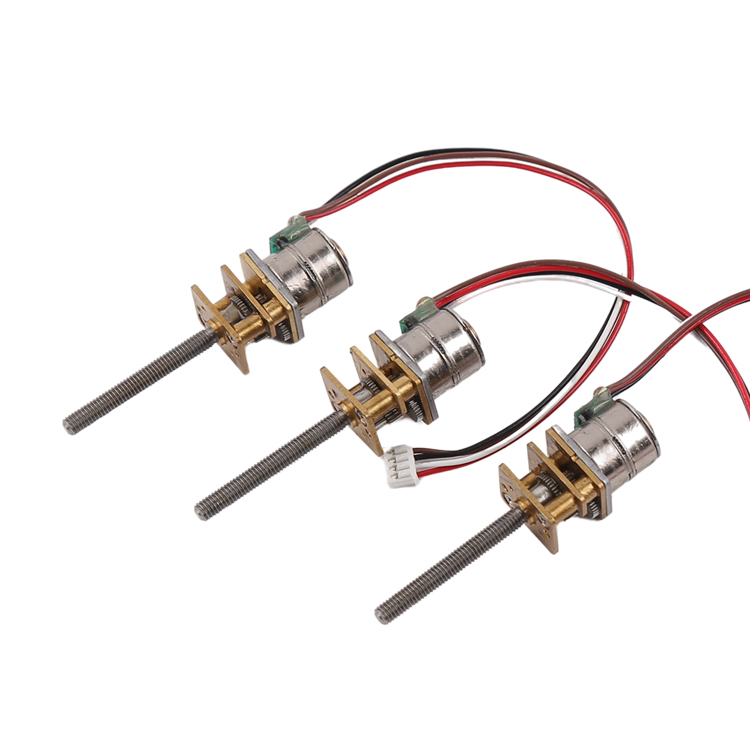
Although the temperature of the stepper motor casing between 80-90 ℃ can be considered normal, long-term high temperatures in micro motors can accelerate demagnetization of magnetic materials and insulation aging. Suggest keeping the temperature below 60 ℃. Measures: Reduce driving current, increase heat dissipation, and enable half current mode when stopping.
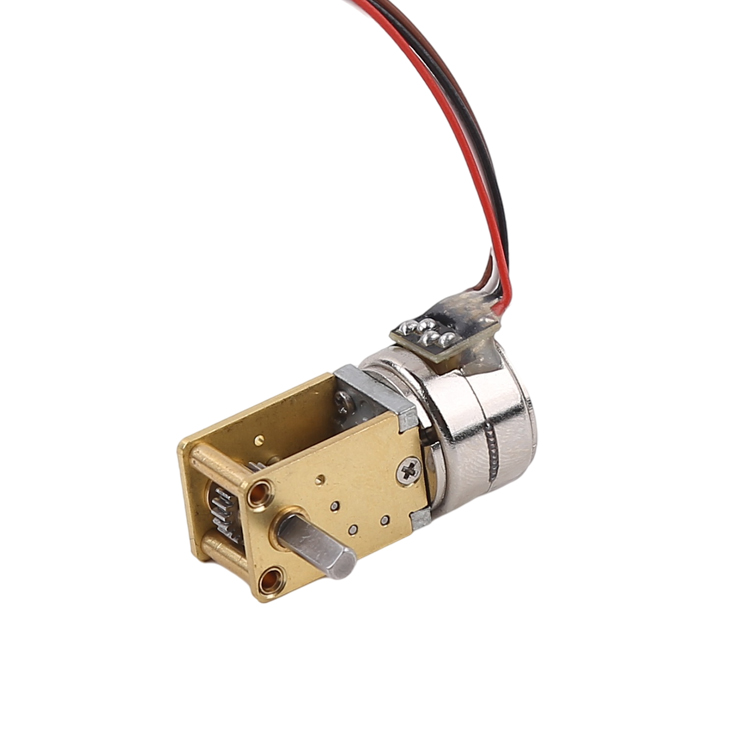
Check in the following order:
- ✔ (1) Check if the driver subdivision setting is too low, increasing subdivision can significantly reduce noise;
- ✔ (2) Confirm if the driving current is too high and enable the half current function when stopping;
- ✔ (3) Check if the motor installation is stable and if the coupling is loose;
- ✔ (4) Check if it is running in the resonance speed range and try to avoid that frequency.
What is the reason for the inaccurate positioning and increasing deviation of the micro stepper motor during operation?
How to troubleshoot the loud noise generated by a micro motor during operation?
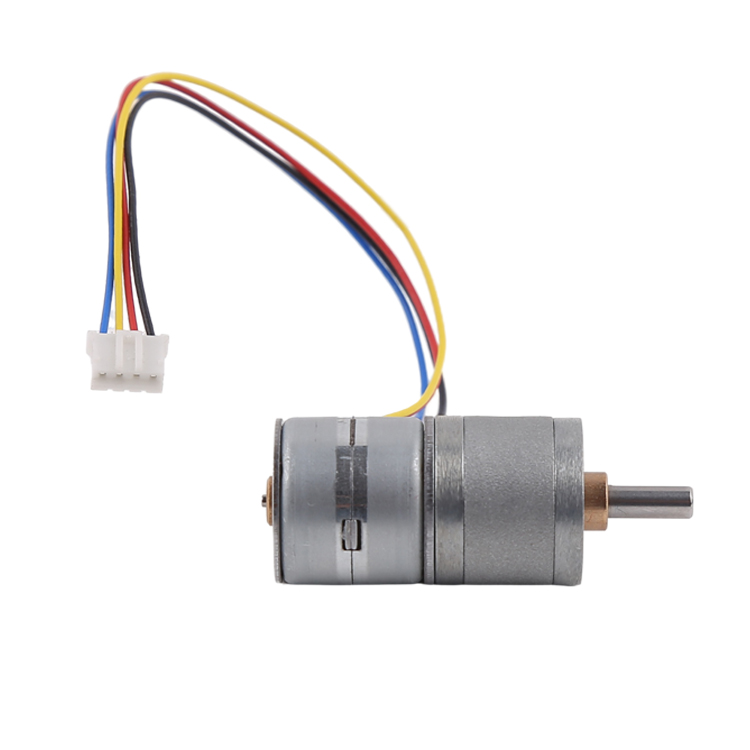
One easily overlooked reason is the timing issue of directional signals – if the directional signal is not stably established before the arrival of the pulse signal, it may lead to a wrong turn of a pulse, and the smaller the subdivision, the more obvious it is. In addition, pulse signals can accumulate deviation due to electromagnetic interference, gaps in the transmission system, and unstable origin switches.
What is the reason why a micro motor does not rotate after being powered on, but maintains torque?
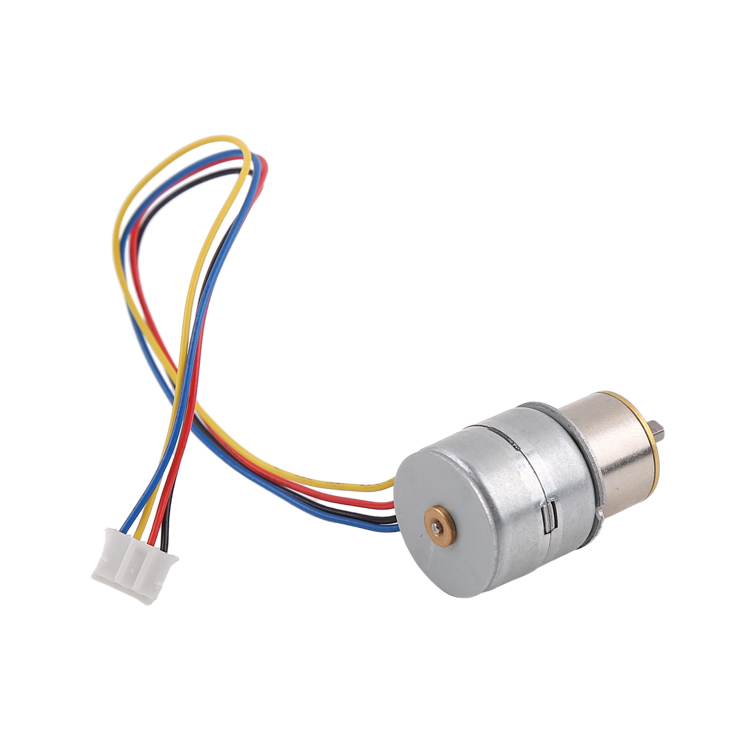
There is a holding torque indicating that the winding is energized normally, but the problem lies in the pulse signal. Check whether the controller outputs pulse signals normally, whether the pulse lines are in good contact, and whether the signal voltage meets the conductivity requirements of the driver optocoupler. Microsystems commonly use 3.3V or 5V control signals, and driver compatibility needs to be confirmed.
How to determine the stroke of a micro linear stepper motor?
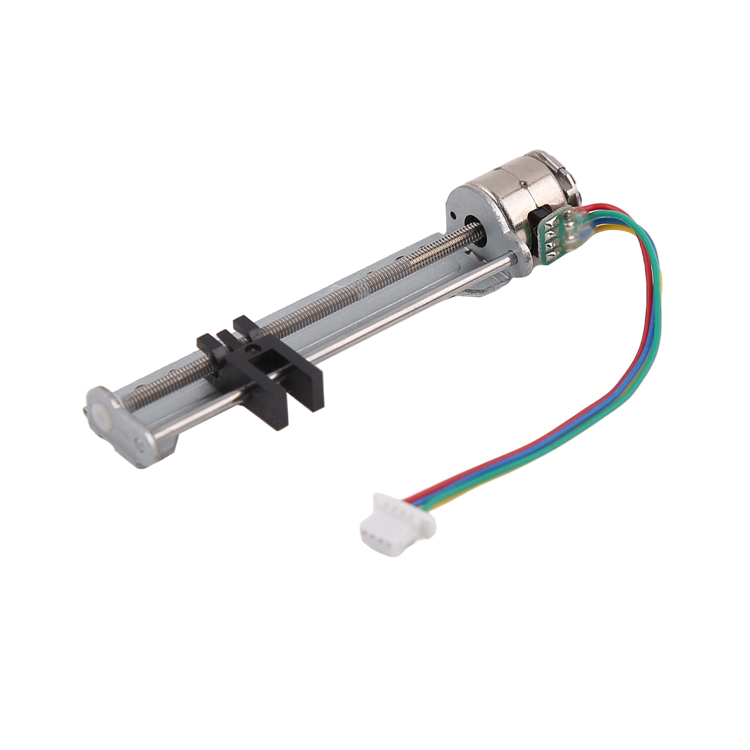
The travel distance should be slightly greater than the actual maximum distance that needs to be moved, leaving a margin of 5-10mm for origin detection and limit protection. The common stroke of micro linear stepper motors is 10mm~200mm. If it exceeds this range, larger specifications or external guide rails need to be selected.
What is the difference between a four wire stepper motor and a six wire stepper motor?
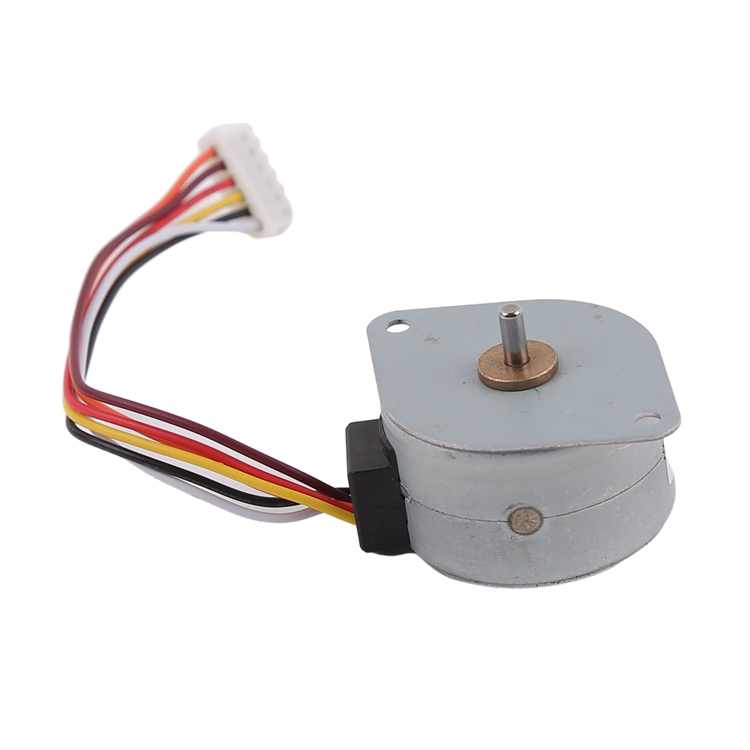
Two wires are led out from each of the two-phase windings inside the four wire motor, which can only be driven in a bipolar manner. Each phase winding of a six wire motor has a middle tap, which can be connected in two ways: unipolar (with tap) or bipolar (without tap). The four wire connection method is simpler, while the six wire connection method has higher flexibility.
Does the lead screw of a linear stepper motor need regular lubrication?
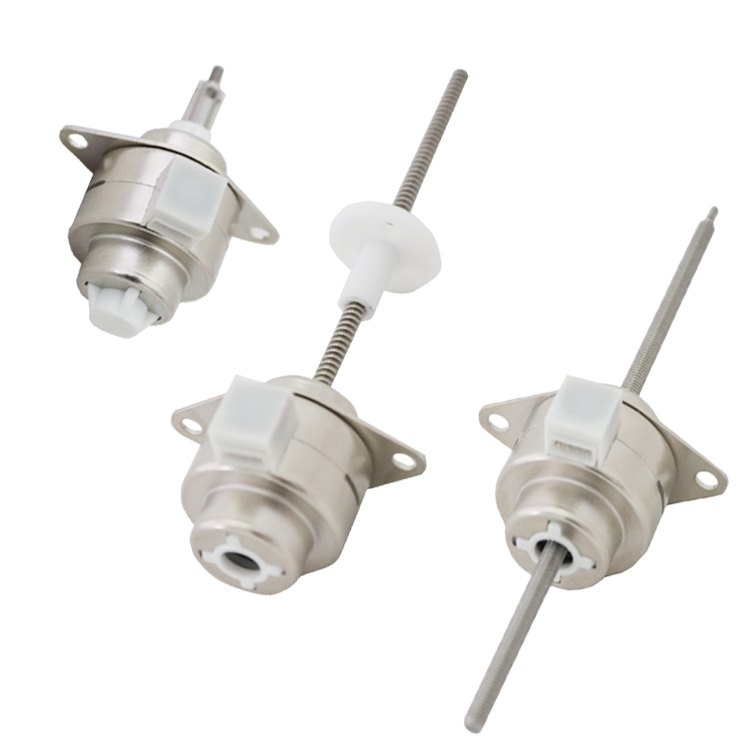
It depends on the model. Motors using self-lubricating screw materials do not require additional lubrication during their lifespan. Non self-lubricating models require regular replenishment of specialized lubricating grease according to operating frequency, otherwise wear will accelerate, leading to increased noise and decreased positioning accuracy.
Do miniature stepper motors require closed-loop control?
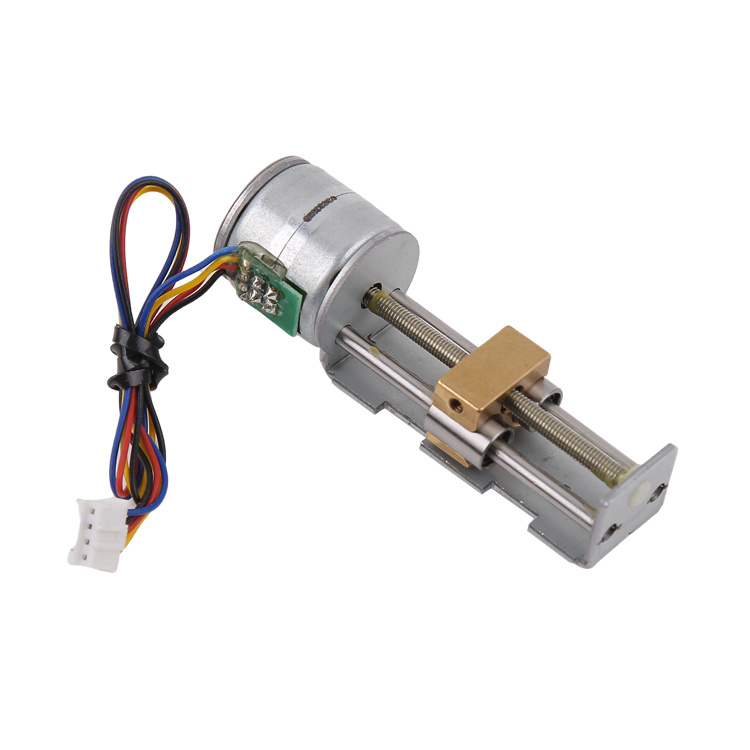
Open loop control is sufficient for most micro applications. But for scenarios that require extremely high precision and reliability, such as medical infusion pumps, a closed-loop stepper system can prevent step loss through encoder feedback, which is a more reliable solution. The cost of closed-loop systems is higher, but the size of micro encoders can already be integrated with NEMA 8/11 motors.
How to determine the acceleration and deceleration curve of a micro stepper motor?
The acceleration and deceleration curves should be as smooth as possible to avoid sudden changes in pulse frequency. The initial velocity is recommended to be below 1r/s to reduce impact. A too short acceleration time can cause the motor to respond too quickly and lose step, while a too long acceleration time can affect efficiency. For micro motors, due to their small inertia, the acceleration time can be shorter, but actual testing and verification are still required.
Do miniature stepper motors require closed-loop control?
Post time: Sep-15-2026