
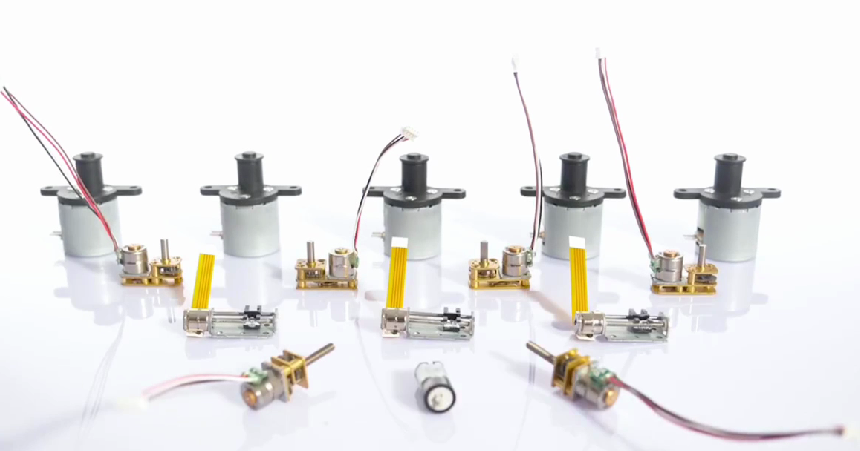
1, What are the types of miniature stepper motors? What are their characteristics?
Divided into three categories based on rotor structure. The PM type (permanent magnet type) has a simple structure, the lowest cost, and a step angle of usually 7.5 ° or 15 °. It has a small torque and is suitable for applications such as printers and camera gimbals that do not require high accuracy; VR type (variable reluctance) rotors are made of soft magnetic materials with low resolution (about half of HB type) and poor transient characteristics, and are now less commonly used; HB type (hybrid) combines the advantages of the first two, with a common step angle of 1.8 ° or 0.9 °, high torque, and high resolution, making it the mainstream choice for micro precision equipment.
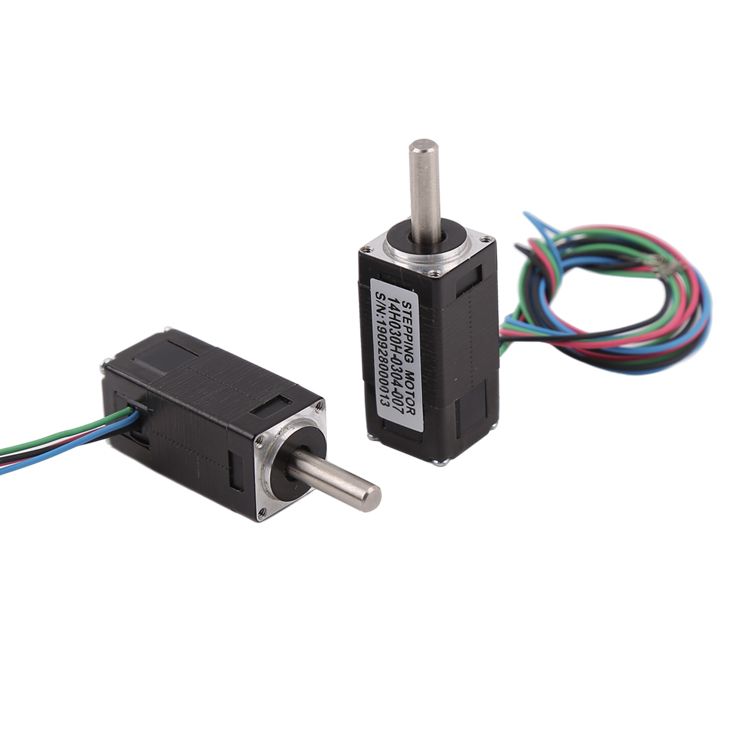
2, What is the step angle accuracy of a miniature stepper motor? Will errors accumulate?
The accuracy of a general stepper motor is 3% to 5% of the step angle and does not accumulate. This means that even after multiple cycles of operation, the errors of each step will not accumulate to the final position. The typical accuracy of a two-phase hybrid micro stepper motor can reach 0.18 ° (for a step angle of 1.8 °).
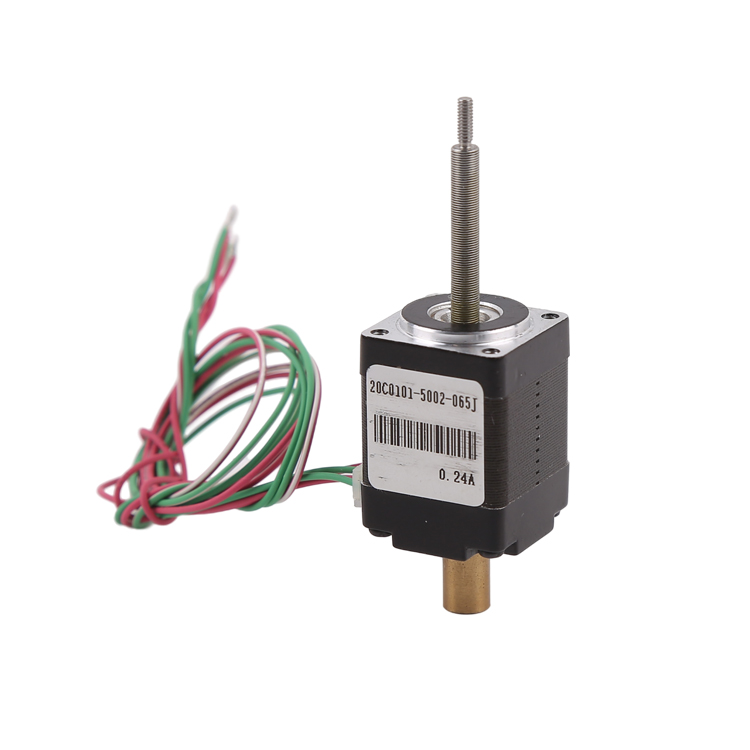
3, How much torque can a miniature stepper motor output?
The scope span is very large. The holding torque for machine base sizes below 20mm of PM type may only be 0.02N · m; NEMA 8~NEMA 11 (20mm~28mm) typically ranges from 0.03~0.1N · m; NEMA 14~NEMA 17 (35mm~42mm) can reach 0.2~0.5N · m. Exceeding 0.8N · m generally requires a NEMA 17 or higher base, which goes beyond the “micro” category.
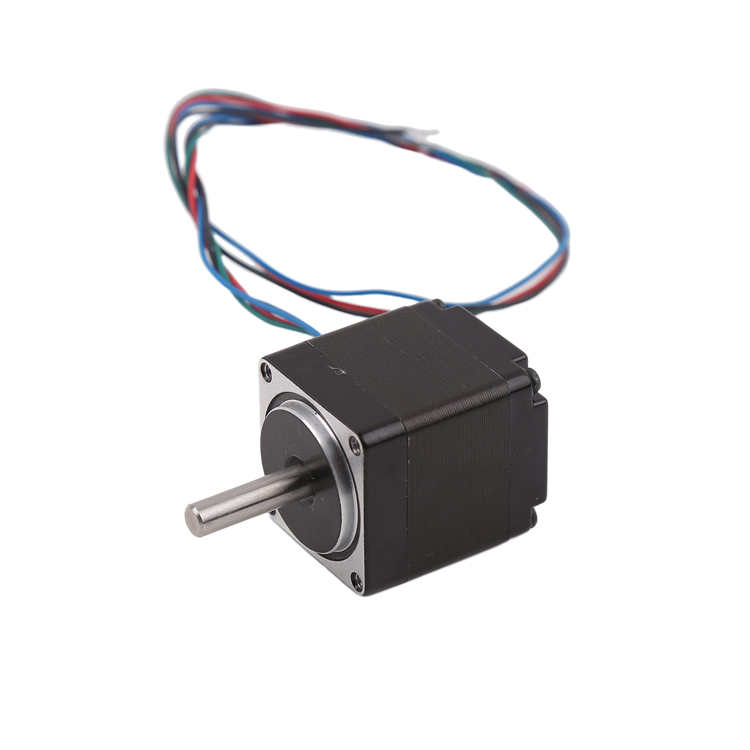
4, Why does the torque of a stepper motor decrease as the speed increases?
When rotating, the winding inductance generates a reverse electromotive force, and the higher the frequency, the greater the reverse electromotive force, resulting in a decrease in phase current and output torque. Micro motors have fewer winding turns and lower inductance, which makes this effect more pronounced at high speeds.
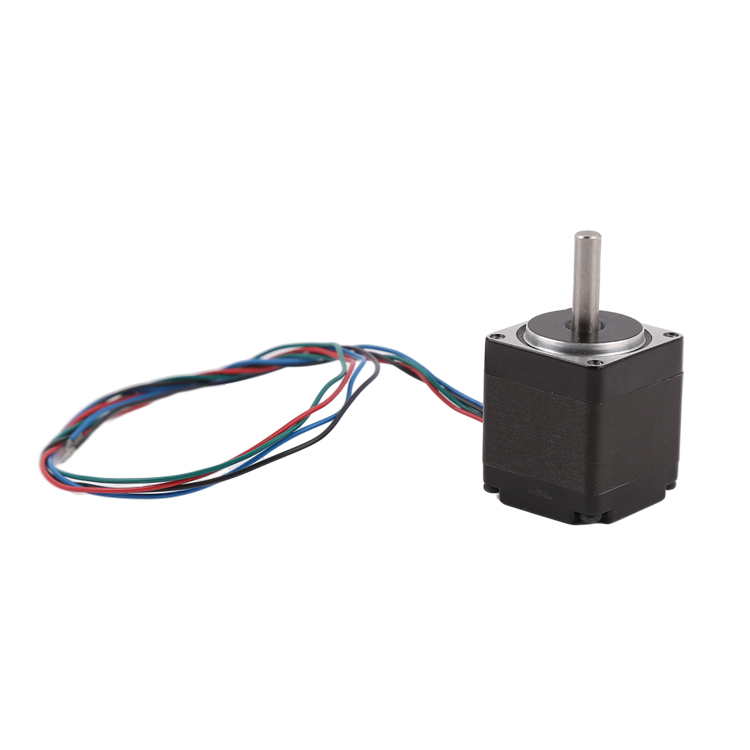
5, Can micro stepper motors be used for linear motion?
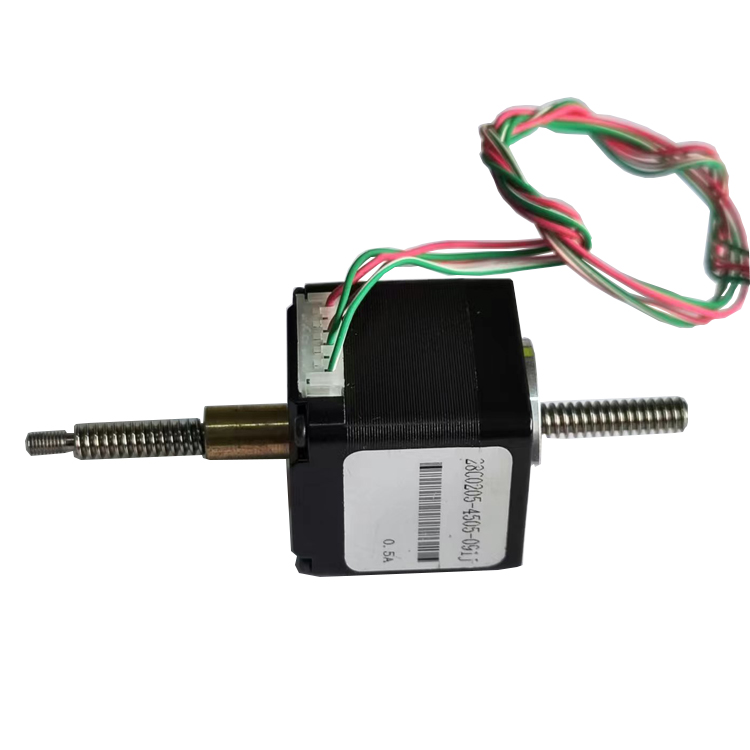
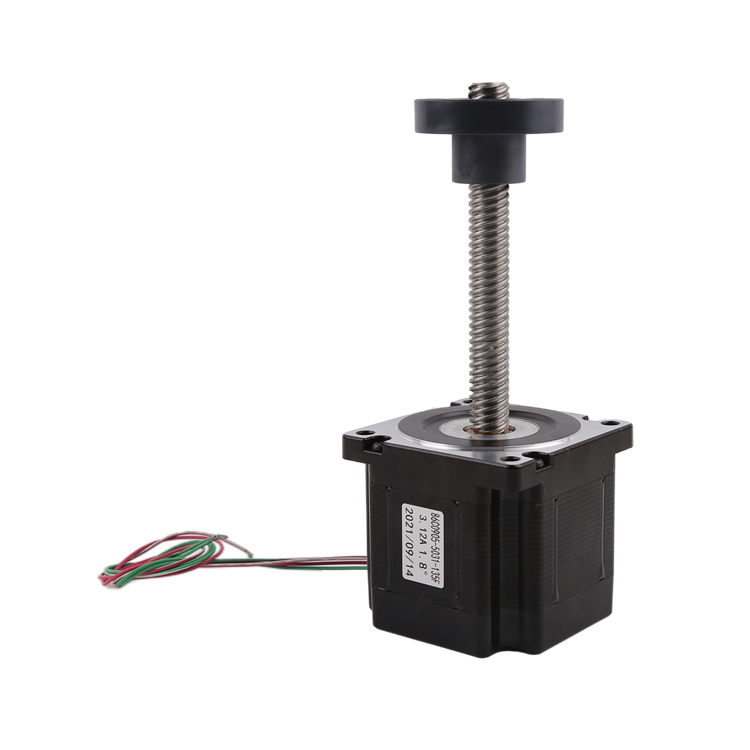
Yes. The linear stepper motor integrates the screw into the rotor and directly outputs linear motion, eliminating the need for external transmission mechanisms. The stroke of micro linear stepper motors is usually between 10mm~200mm, with a thrust of 0.5N~10N. They are commonly used in infusion pumps, infusion pumps, and micro surgical instruments.
6, What parameters are first determined when selecting a micro stepper motor?
Firstly, determine the load torque and installation space. The holding torque should be greater than 1.3 times the actual load torque. Considering that micro motors are extremely sensitive to overload, it is recommended to take a safety factor of 1.4 to 2 times. Simultaneously confirming the available installation space, size is often the first constraint in micro devices.
7, What is the difference between maintaining torque and dynamic torque?
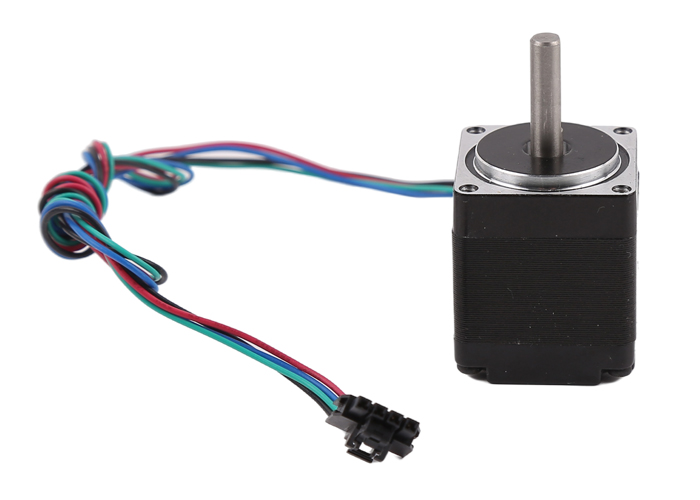
Maintaining torque is the maximum torque that a motor can maintain with rated current when it is stationary, reflecting its static capability. Dynamic torque is the actual output torque during operation, which depends on the average current during operation and decreases with increasing speed. When selecting, we cannot only focus on maintaining torque, we must refer to the torque frequency characteristic curve.
8, How to choose the base size based on torque?
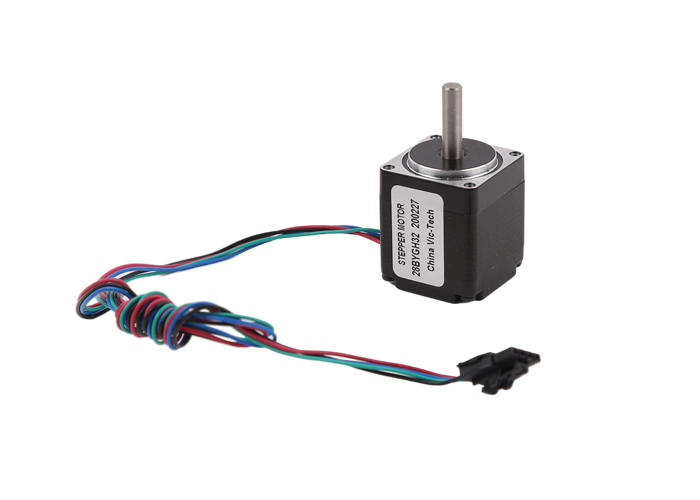
Experience reference: NEMA 8~NEMA 17 can be selected below 0.8N · m; Below 0.1N · m, NEMA 8~NEMA 11 is usually sufficient. In micro application scenarios, the torque demand is usually within 0.5N · m, with NEMA 14~NEMA 17 being the main range.
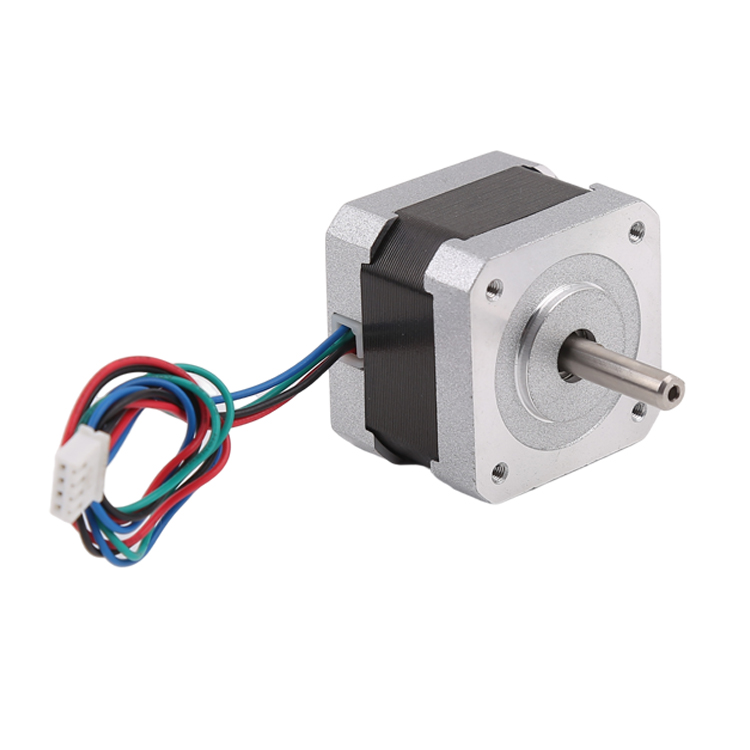
9, How to understand the rated current of a miniature stepper motor?
The driving current (phase current) is the reference value of the current at both ends of a single-phase winding, and is not an absolute limit. It can be adjusted around the rated value according to the actual working conditions, but exceeding the rated value will intensify heating, and below the rated value will result in insufficient torque. The winding resistance of micro motors is relatively high, and the typical driving current is in the range of 0.2~1.5A.
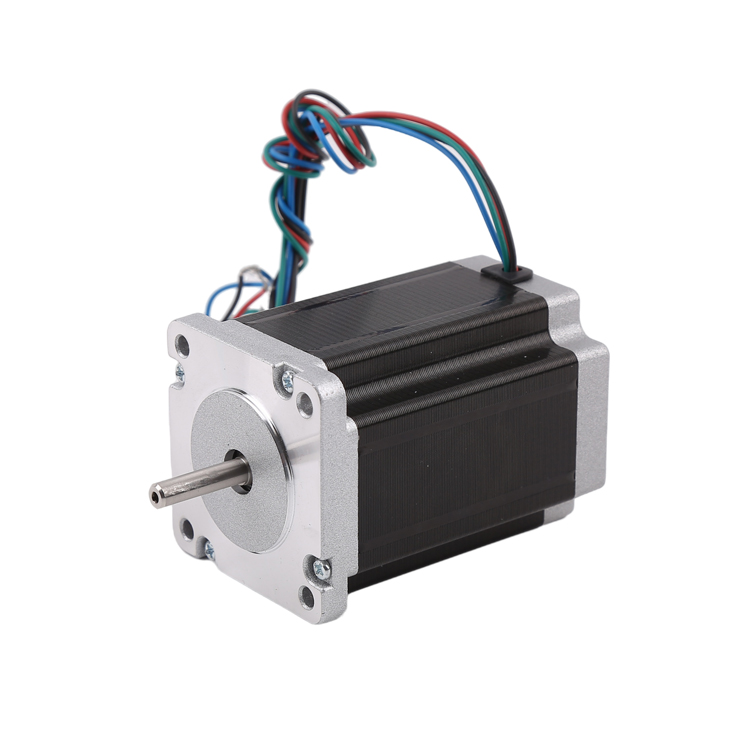
10, Is inertia matching important when selecting micro stepper motors?
Very important. The ratio of load inertia to motor rotor inertia is too high, which can lead to poor dynamic response and easy step loss during acceleration. The inertia of the rotor of a micro motor itself is very small, but the inertia on the load side (such as the screw and coupling) may be much greater than that of the motor itself, so it must be calculated when selecting.
Post time: Sep-14-2026