
In science fiction movies, we often see scenes where micro-robots infiltrate human blood vessels to precisely repair lesions. Nowadays, this fantasy is rapidly becoming a reality. The “heart” that drives these medical minimally invasive robots to perform delicate operations is precisely the micro-stepping motor, which is tiny in size yet powerful in energy.
With the intensifying aging population and the growing demand for minimally invasive surgery, the medical robot market is expanding at an average annual rate of over 20%. Under this trend, micro stepper motors, with their advantages of precise positioning, strong controllability, and compact size, are becoming the core power source for various minimally invasive medical robots. This article will delve into the revolutionary application of micro stepper motors in the field of medical minimally invasive surgery and how it is propelling precision medicine to new heights.
一、Micro stepper motor: the ideal “heart” of medical robots
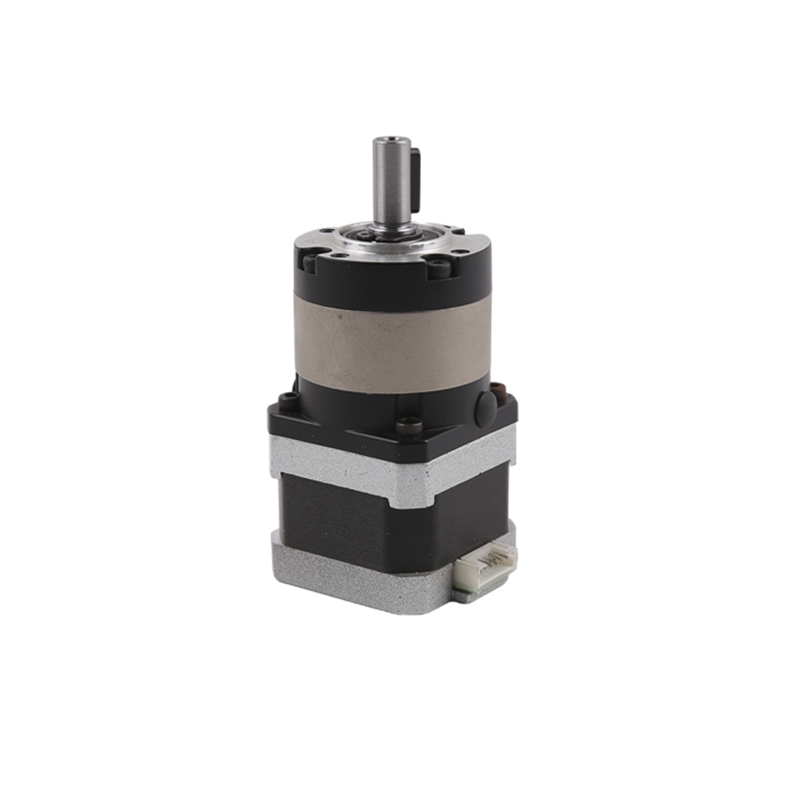
1. Precise and controllable
2. Miniaturization design
3. High torque density
4. Biocompatibility and reliability
二、Three core applications: from diagnosis to treatment
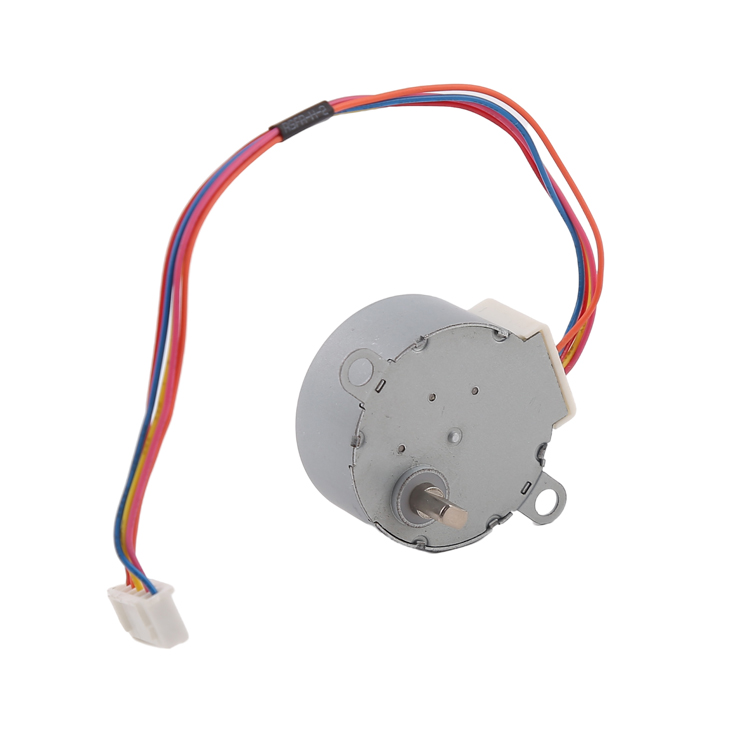
1. Vascular intervention robot: the “helmsman” for precise navigation
2. Endoscopic surgical robot: a flexible “robotic arm”
3. Targeted drug delivery system: the “valve” for precise release
二、Technical challenges and breakthroughs
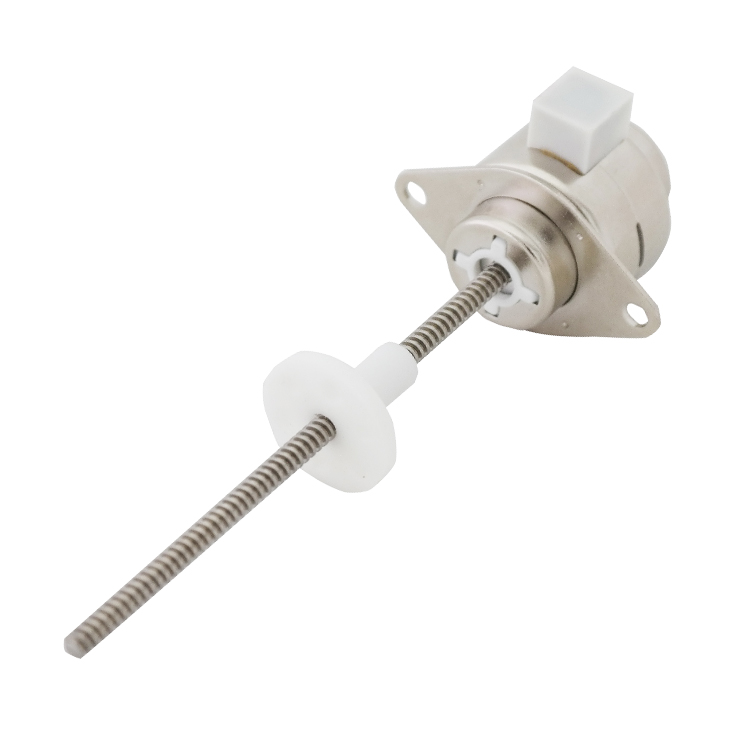
Despite the immense potential of micro stepper motors in the field of minimally invasive medicine, a series of technical challenges still need to be overcome in order to achieve large-scale clinical application:
1. Balance between miniaturization and power density
As the size of motors shrinks, heat dissipation issues become prominent. Currently, researchers are exploring new magnetic materials (such as neodymium iron boron) and efficient winding designs to enhance output efficiency within a limited volume, while achieving rapid heat dissipation through optimization of housing materials and structures.
2. Sterile and sealed design
Motors that enter the human body must possess absolute sealing to prevent bodily fluids from infiltrating and causing short circuits or infections. Advancements in laser welding and precision injection molding technology have enabled motor casings with diameters of just a few millimeters to achieve IP68 protection, withstanding high-temperature and high-pressure sterilization.
3. Magnetic resonance compatibility
Some surgeries need to be conducted under MRI guidance, requiring motors that do not contain ferromagnetic materials and do not generate electromagnetic interference. Ultrasonic motors and specially designed non-magnetic stepper motors are emerging as solutions, as they can still operate normally in strong magnetic fields.
二、Future Outlook: Smart Micro-motion and Remote Surgery
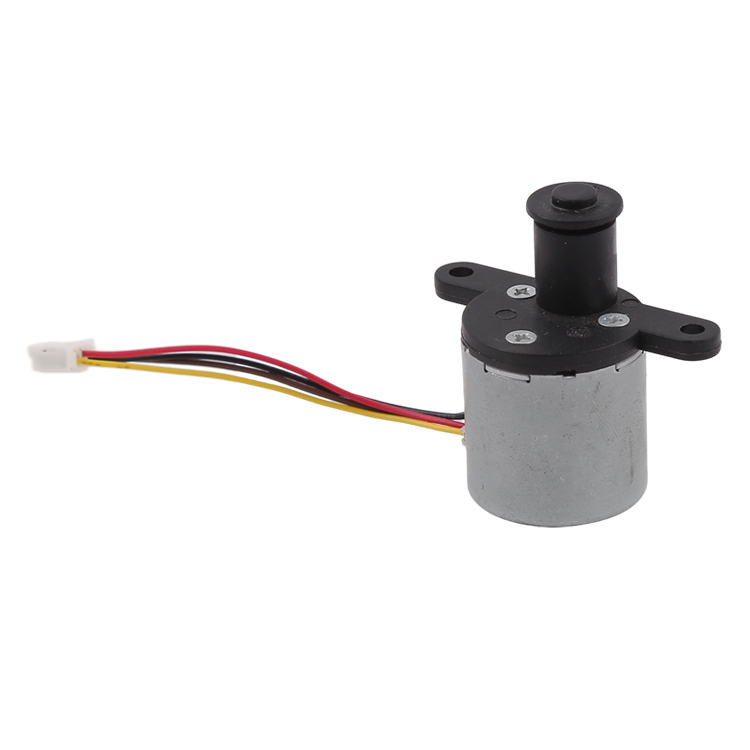
Looking ahead to 2030, with the development of artificial intelligence and 5G technology, micro stepper motors will propel medical minimally invasive robots to a higher stage:
Intelligent perception and adaptive control: The intelligent motor integrated with microsensors can perceive tissue hardness and blood flow changes, automatically adjust the operating force, and avoid damaging normal tissues.
Popularization of remote surgery: High-precision micro stepper motors, coupled with low-latency communication networks, enable experts to perform minimally invasive surgeries for patients in remote areas, even across thousands of miles.
Group collaborative operation: In the future, there may be a cluster of “capsule robots” driven by dozens of micro stepper motors, which will enter the body in a coordinated manner to perform tasks such as exploration, sampling, and drug delivery.
五、Conclusion
From industrial components initially used in printers and automation equipment to the “heart” that now penetrates into the human body to save lives, micro stepper motors are writing a new chapter in the field of minimally invasive medicine. With micrometer-level precise movement, they empower doctors with operational capabilities beyond human hands, making surgeries safer, less traumatic, and faster to recover. With continuous technological breakthroughs, we have reason to believe that micro stepper motors will become an indispensable core driving force for precision medicine in the future.
Post time: Mar-10-2026