
In today’s fast-paced world, pet owners face the challenge of maintaining consistent feeding schedules for their furry companions, especially during work hours, travel, or unexpected absences. Automatic pet feeders have become essential smart home devices, and at the heart of many advanced models lies the micro stepper motor. This compact, precise component enables reliable, portion-controlled dispensing of pet food, making it a key technology for modern pet care solutions.
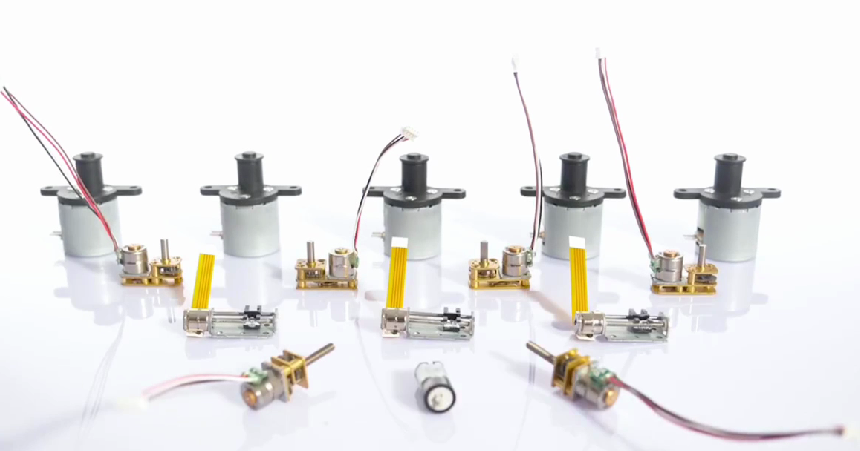
This article explores the role of micro stepper motors in pet feeders, their technical advantages, real-world applications, and why they outperform traditional motors in dispensing systems. Whether you’re a pet owner, product developer, or enthusiast interested in “micro stepper motor” technology, you’ll gain insights into how this innovation enhances pet wellness and owner convenience.
Understanding Micro Stepper Motors
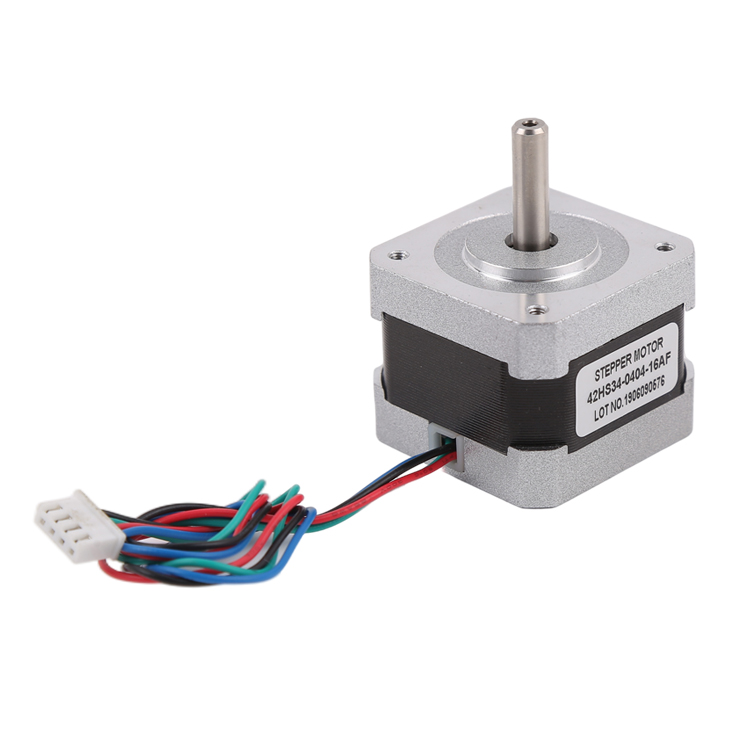
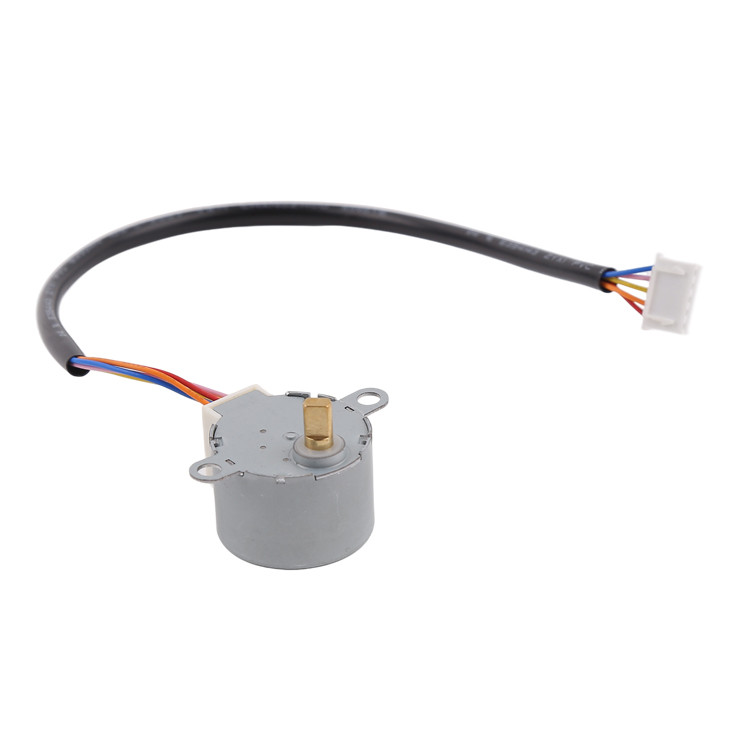
A micro stepper motor, often referred to simply as a stepper motor in compact forms like NEMA 17 or 28BYJ-48 variants, is an electromechanical device that converts electrical pulses into precise mechanical movements. Unlike conventional DC motors that spin continuously when powered, stepper motors move in discrete “steps,” allowing for exact control over rotation angle and speed.
Micro stepper motors typically feature step angles of 1.8° (200 steps per revolution) or finer resolutions through microstepping techniques, which divide each full step into smaller increments (e.g., 1/16 or 1/32 microsteps). This results in thousands of steps per revolution, delivering exceptional precision. Common models used in pet feeders include bipolar hybrid designs with drivers like A4988 or ULN2003, powered at low voltages (5V–12V) for safe, energy-efficient home use.
Key components include a permanent magnet rotor and electromagnetic stator coils. By energizing the coils in a specific sequence, the motor achieves controlled rotation without needing feedback sensors in many open-loop applications—ideal for cost-effective pet feeders.
How Stepper Motors Enable Precise Food Dispensing
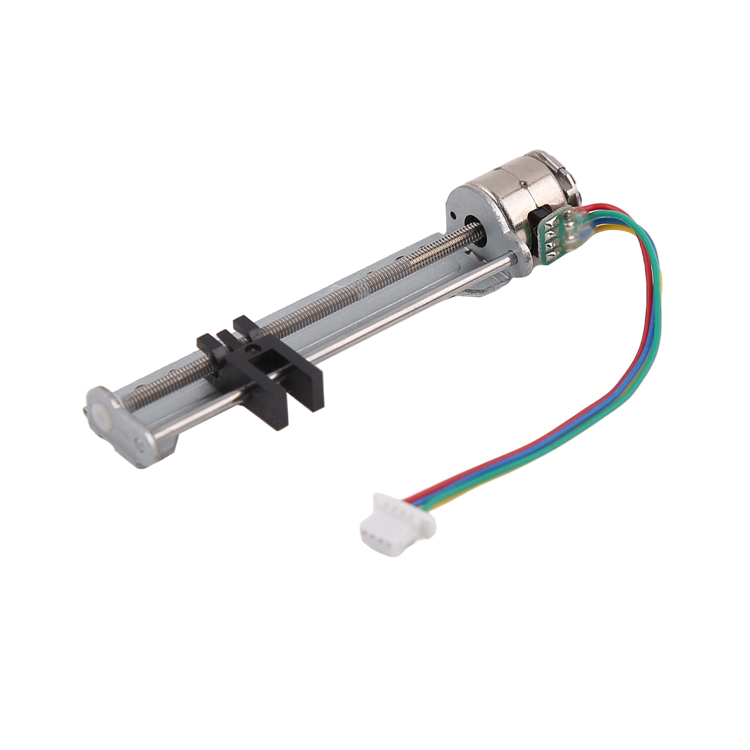
In automatic pet feeders, the primary function is to release a measured amount of kibble or treats from a hopper into a bowl at scheduled times. Micro stepper motors excel here by driving mechanisms such as augers (screw conveyors), rotating valves, or dispensers.
- · Auger-Based Systems: The motor rotates an auger inside a tube connected to the food reservoir. Each programmed revolution or partial turn dispenses a consistent volume of food. Patents and DIY projects highlight how stepper motors provide low-inertia rotors for quick acceleration and precise stopping, preventing over-dispensing common with DC motors that coast after power-off.
- · Valve or Flap Control: Smaller micro stepper motors open and close food compartments or slides, ensuring food flows only when intended.
- · Integration with Electronics: Paired with microcontrollers like ESP32, Arduino, or Raspberry Pi, the motor receives pulse signals via drivers. Timers, apps, or IoT connectivity allow scheduling multiple feedings per day.
Microstepping reduces vibration and noise—crucial for not startling pets—while maintaining high torque at low speeds. This precision minimizes food waste and supports portion control tailored to the pet’s size, age, and health needs.
Advantages of Micro Stepper Motors in Pet Feeders
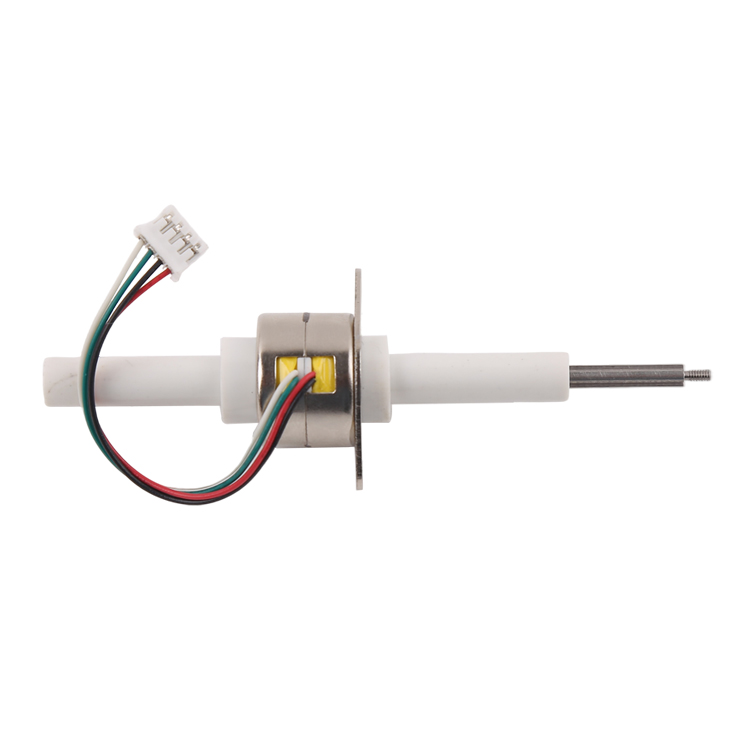
The adoption of micro stepper motors in pet feeders stems from several compelling benefits over traditional brushed DC or servo motors:
These advantages make micro stepper motors the preferred choice in both commercial smart feeders and open-source DIY projects.
Real-World Applications and Case Studies
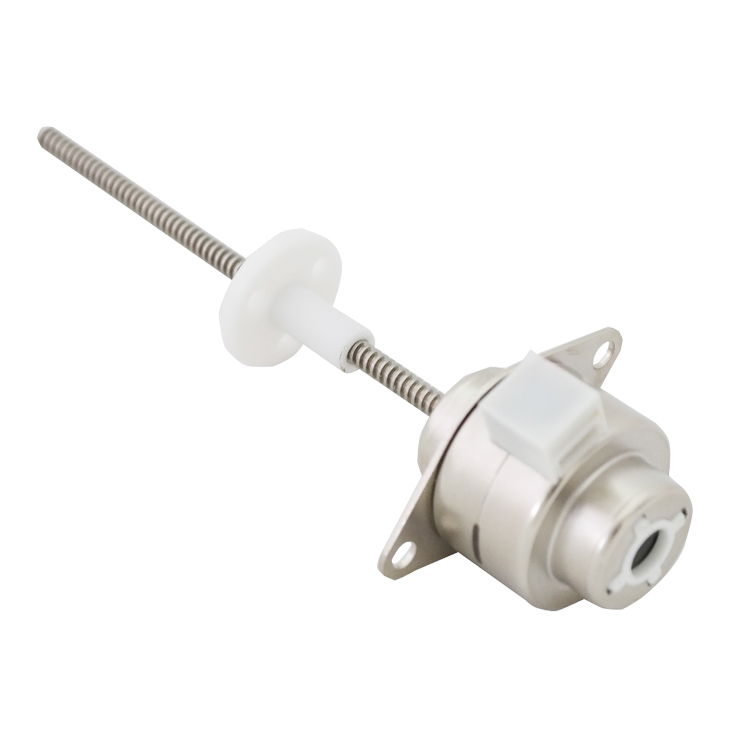
Numerous prototypes and products demonstrate the versatility of micro stepper motors in pet feeders:
- · ESP32-Controlled Feeders: Brazilian academic projects use NEMA 17 stepper motors with A4988 drivers and ESP32 boards for web-app scheduling, consumption tracking, and reliable dispensing. Photoelectric encoders provide closed-loop verification for enhanced accuracy.
- · Patent Innovations: Designs like certain smart pet feeders employ stepper motors for precise revolution control, shielding the motor from food debris and enabling battery operation. This ensures consistent portions even with varying kibble sizes.
- · DIY and Open-Source Builds: GitHub repositories feature NEMA17-driven auger feeders with Wi-Fi connectivity, OTA updates, and MQTT integration. The 28BYJ-48 micro stepper is popular for budget builds due to its torque when modified to bipolar mode.
- · Advanced Features: Some systems combine steppers with cameras for pet recognition or voice modules for calling pets to the bowl. In litter box automation, similar motors handle precise movements.
These examples show how micro stepper motors scale from simple timers to full IoT ecosystems.
Choosing the Right Micro Stepper Motor for Your Pet Feeder
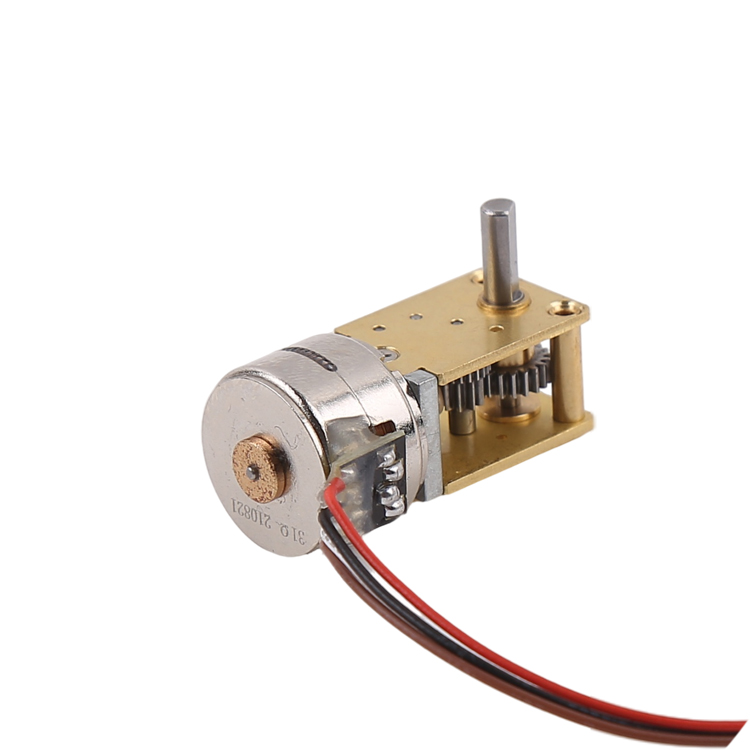
When selecting a micro stepper motor, consider:
- · Torque Requirements: Match to food type and hopper design (e.g., NEMA 17 for heavier loads).
- · Step Resolution: Higher microstepping for smoother, quieter operation.
- · Driver Compatibility: A4988 or similar for current limiting and microstepping.
- · Power and Size: Low-voltage models for safety; compact for consumer products.
- · Environmental Factors: Ensure resistance to dust from pet food and suitable operating temperatures.
Testing with actual kibble helps verify performance, as flow characteristics vary.
Challenges and Solutions
Potential issues like resonance at certain speeds or insufficient torque for dense food are addressed via microstepping, proper gearing, or current adjustment. Jams can be mitigated with reversal routines in software. Overall, the technology’s robustness makes it highly reliable for daily use.
Future Trends in Micro Stepper Motor Pet Feeders
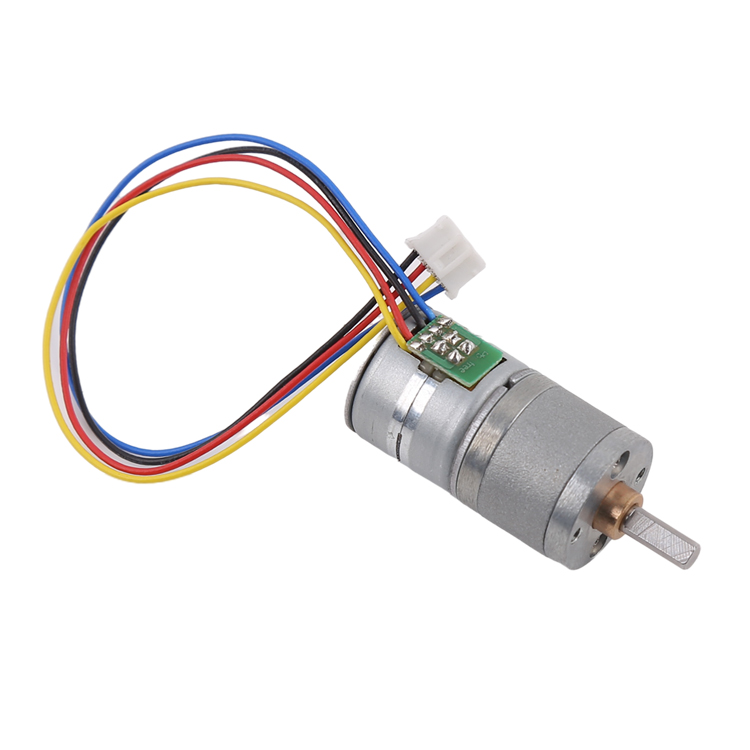
As IoT and AI advance, expect greater integration: AI-optimized portions based on pet activity, voice commands, and cloud monitoring. Smaller, more efficient micro stepper motors with integrated drivers will enable sleeker designs. Sustainability features, like low-power modes, will align with eco-conscious pet ownership.
The growing pet market drives demand for smarter, more precise feeders, positioning micro stepper motors as a cornerstone technology.
Conclusion
Micro stepper motors transform automatic pet feeders by delivering unmatched precision, reliability, and control in food dispensing. From basic scheduled meals to sophisticated smart systems, they ensure pets receive consistent nutrition, reducing owner stress and promoting healthier habits.
Whether building a DIY project or choosing a commercial feeder, understanding this technology highlights its value. Investing in devices powered by quality micro stepper motors means better care for beloved pets—precise, quiet, and dependable.
Post time: Jul-09-2026